Epic adds price-shopping tool to EHR workflow for prescribers
Epic’s new prescription marketplace lets clinicians see insurance and cash prices from multiple pharmacies at the point of care, aiming to cut nonadherence from cost.
Key takeaways
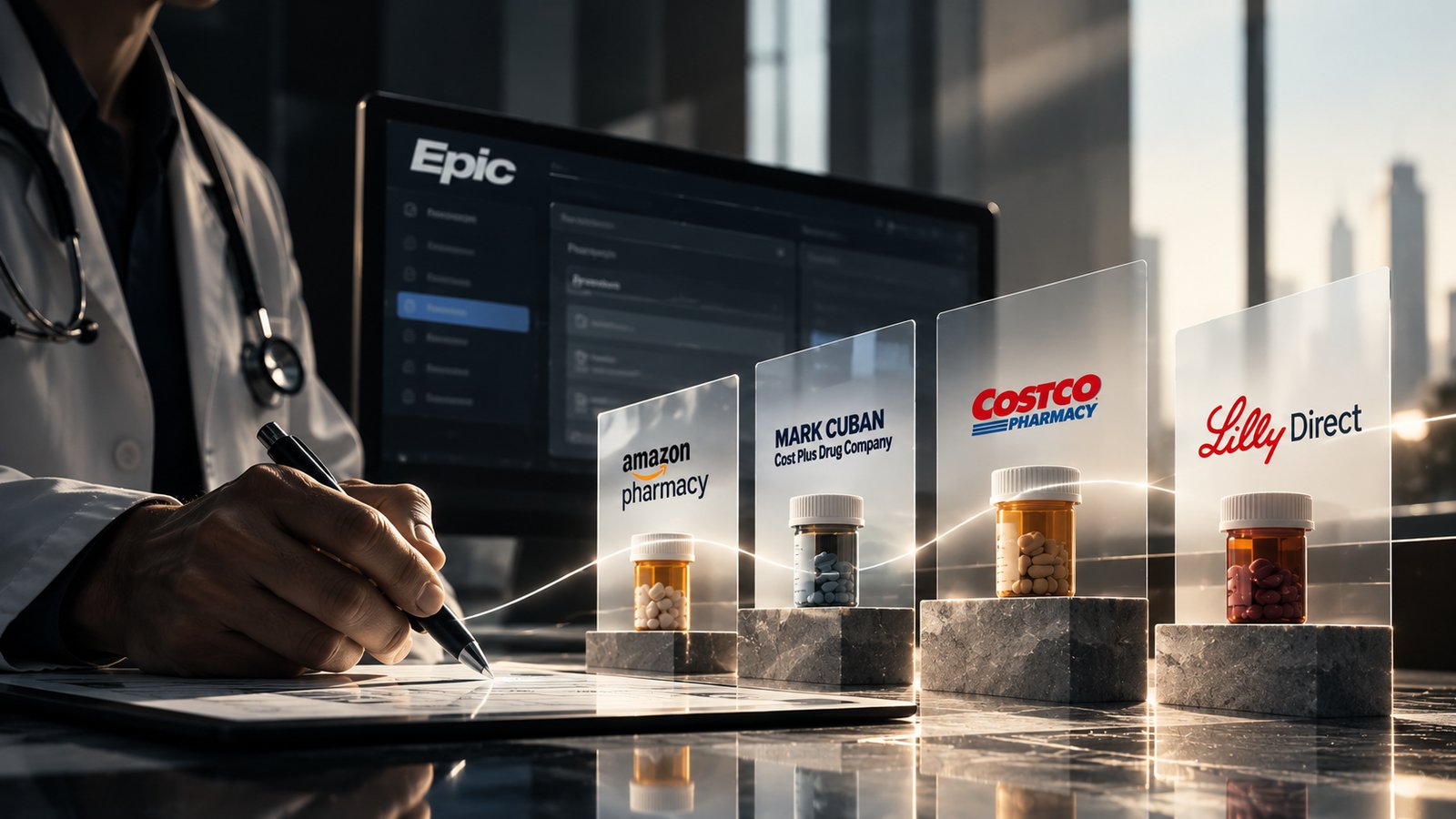
- Epic will integrate cash-price feeds from Amazon Pharmacy, Mark Cuban Cost Plus Drugs, Costco and Eli Lilly’s LillyDirect into its EHR by summer 2027.
- The tool expands on Epic’s existing real-time benefit check, which saved users more than $250 million in 2025.
- With over 40% of adults skipping meds due to cost, clinicians can now present lower-cost options before the prescription leaves the exam room.
Prescription Marketplace Overview
Epic is moving price transparency from a downstream concern to the prescribing moment. By summer 2027, the company will launch a prescription marketplace that pulls cash prices from Amazon Pharmacy, Mark Cuban Cost Plus Drugs, Costco and Eli Lilly’s LillyDirect into the Epic EHR. Clinicians will see a side-by-side view of a patient’s insurance cost and the cash price at each participating pharmacy before they sign the order. Epic executives said cash pricing can sometimes beat insurance, and the tool will let prescribers point patients to the cheapest option at that instant.
The marketplace builds on Epic’s real-time prescription benefit feature, which already shows patients’ out-of-pocket costs under their plan and suggests generics. That feature was credited with saving more than $250 million in 2025, according to an Epic press release. The new price-shopping layer expands the data sources: any pharmacy that shares its cash price can appear in the Epic view, and the partnership already includes Amazon Pharmacy, which has been working with Epic since early 2025, and Mark Cuban Cost Plus Drugs, the online pharmacy launched in January 2022. Costco and LillyDirect, launched in early 2024, will also contribute pricing data.
Clinical and Operational Impact
Fierce Healthcare reported that more than 40% of American adults skip medications because of cost, a KFF survey finding that underlies the business case for the tool. By surfacing price differentials at the point of care, Epic hopes to reduce those gaps, a goal echoed by all partners. “Getting medications should be simple, transparent, and convenient,” said Tanvi Patel, vice president and general manager of Amazon Pharmacy. Mark Cuban added that seeing a $500 insurance quote versus a $100 cash price “before they leave the doctor’s office” can prevent abandonment at the counter. Costco’s Ricky Li framed the integration as a way to “close care gaps,” while Eli Lilly’s Jen Mazur described it as a step toward “reducing friction in the healthcare experience.”
The marketplace does not replace a patient’s insurance plan but adds a decision point. If a cash price is lower, the prescriber can discuss whether the patient wants to use insurance, pay cash, or explore a manufacturer-direct channel like LillyDirect. The tool also supports Amazon’s delivery model, allowing patients to choose home delivery or pickup at an Amazon Pharmacy kiosk where available.
Implementation Roadmap
For health systems, the rollout raises three operational questions. First, data onboarding: pharmacies must feed their cash price feeds into Epic’s standard API, requiring IT coordination and ongoing data validation. Second, workflow integration: clinicians need training on interpreting the price grid without slowing exam times. Third, reimbursement alignment: payers may need to adjust formulary rules if cash purchases rise, potentially affecting contracts.
To prepare, leaders should map the onboarding timeline, pilot the price view in a single specialty clinic, and set up a governance board that includes pharmacy, finance and IT stakeholders. Measuring impact will hinge on tracking prescription abandonment rates and adherence metrics after launch.
Steps to act 1. Assign a cross-functional team to integrate cash-price feeds; this ensures data quality but adds short-term IT effort. 2. Run a limited-scope pilot in one department; it limits disruption but may delay organization-wide savings. 3. Define metrics (abandonment, adherence, cost avoidance) and monitor them monthly; this provides insight but requires reporting resources.

Wearables and AI can narrow the gender gap in heart disease monitoring
Cardiovascular disease kills more women than breast, lung and chronic lung disease combined; WHOOP’s data and AI initiatives aim to provide gender-specific insights, requiring systematic integration.
Advocate Health to boost employee compensation by $846 million in 2027
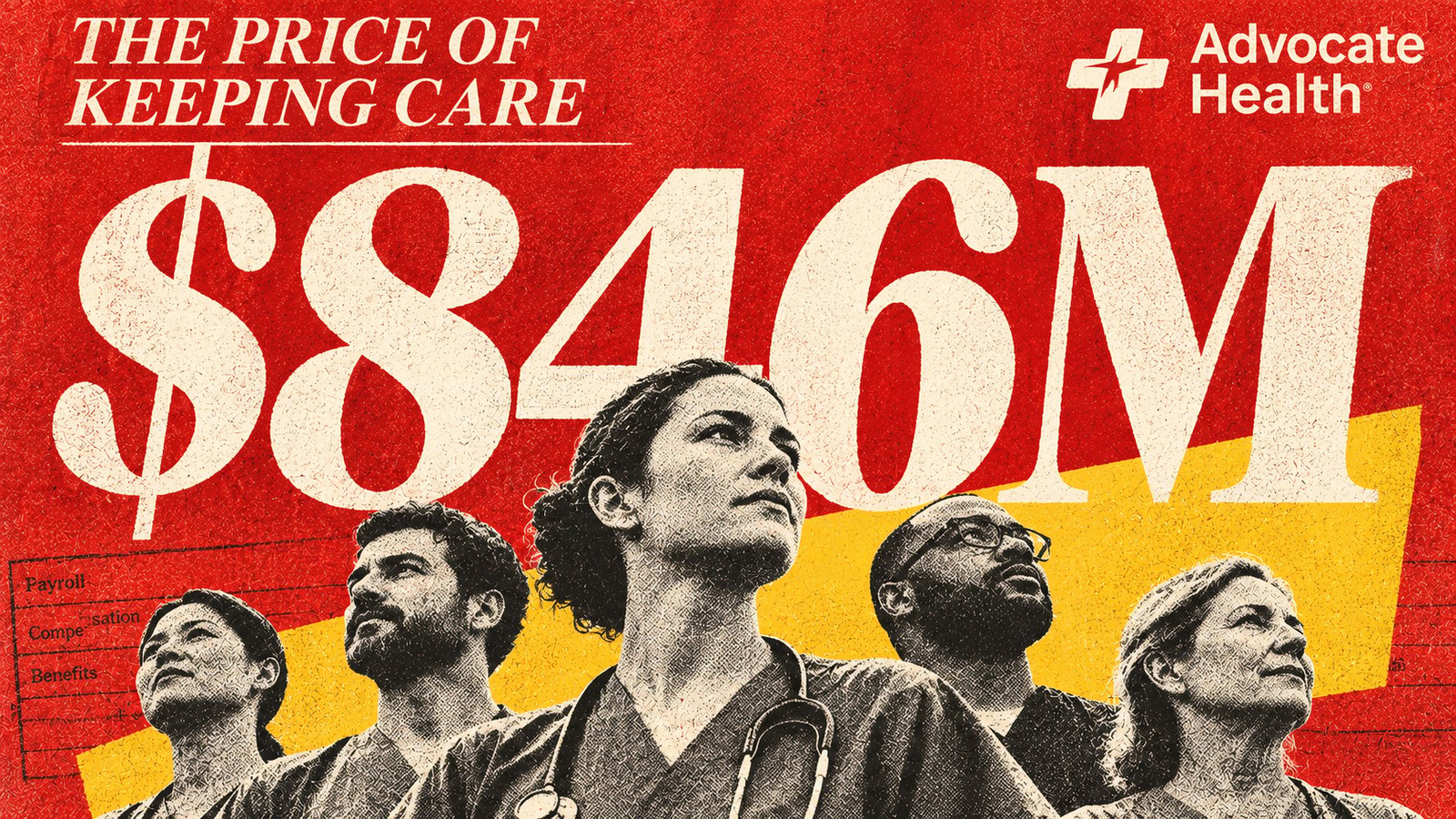
Advocate Health will spend $1.24 billion on its workforce in 2027, raising the minimum wage to $20 and adding $390 million in new benefits.

FDA approves first factor XIa inhibitor to cut secondary stroke risk
The U.S. FDA’s clearance of Sunharbo (asundexian) adds a 26% risk-reduction option for post-stroke patients, but elderly bleeding risk requires careful use.