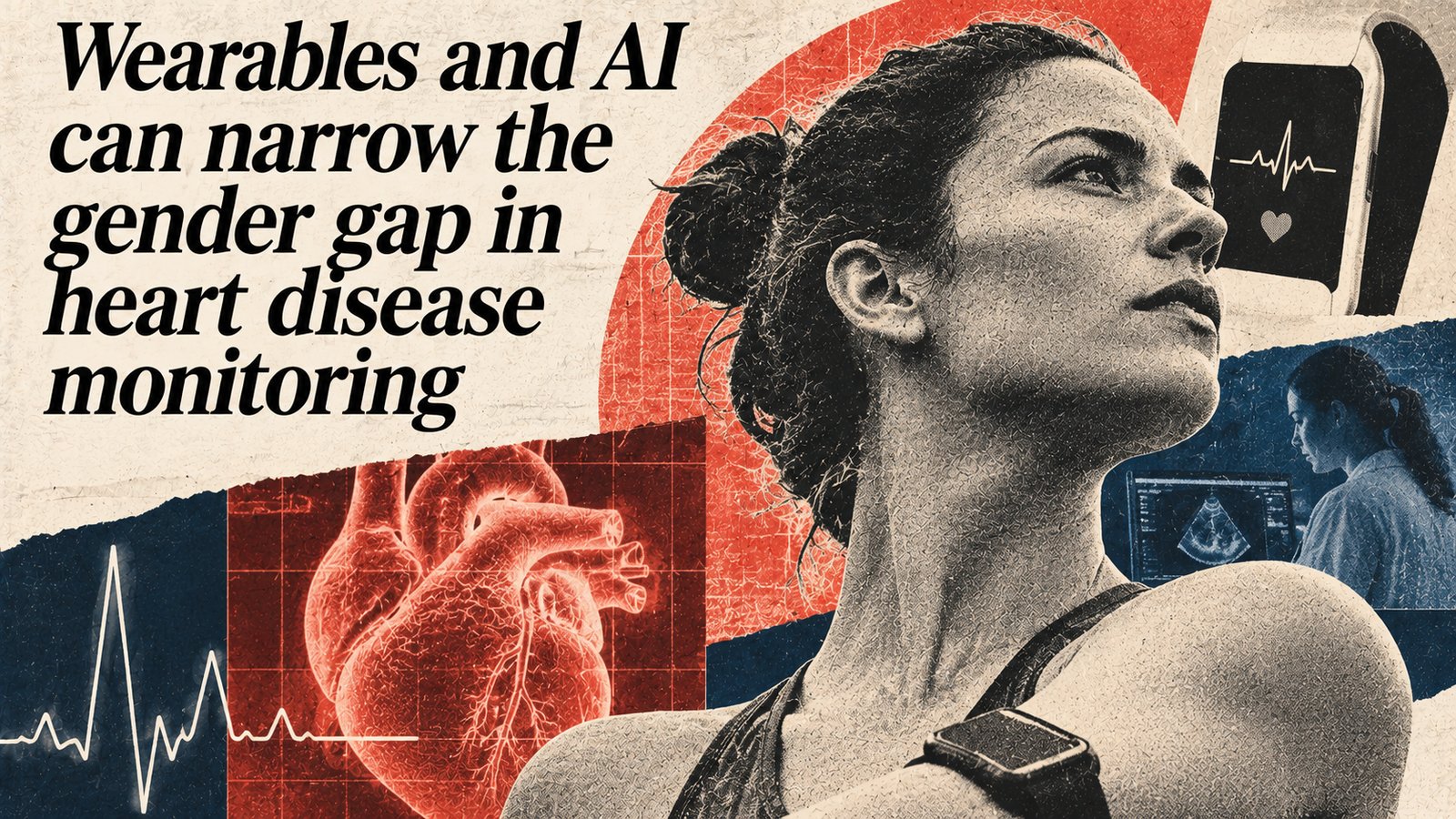
Wearables and AI can narrow the gender gap in heart disease monitoring
Cardiovascular disease kills more women than breast, lung and chronic lung disease combined; WHOOP’s data and AI initiatives aim to provide gender-specific insights, requiring systematic integration.
Key takeaways
- CVD remains the top cause of death for women, outpacing breast and lung cancers combined, highlighting the urgency of gender-focused monitoring.
- WHOOP is expanding its Advanced Labs to non-members, broadening its cohort to gather more female-specific data.
- ARPA-H’s $63 million program to develop FDA-authorized AI agents for heart-failure care creates a federal pathway for wearable-derived algorithms.
Cardiovascular disease (CVD) kills more women each year than breast cancer, lung cancer and chronic lung disease combined, making it the leading cause of death among women. That stark statistic drives a new focus on gathering gender-specific data through wearables and AI. Ami Bhatt, M.D., WHOOP’s chief medical officer and former chief innovation officer at the American College of Cardiology, argues that continuous physiological monitoring can surface the subtle patterns that traditional episodic exams miss, especially for conditions that manifest differently in women.
Wearable data fills the diagnostic blind spot
Women often present atypical symptoms for heart disease, leading to delayed diagnosis. WHOOP’s platform, which already aggregates millions of data points, is now expanding its Advanced Labs to non-members. That move increases the diversity of its cohort, a critical step because most existing wearable studies are male-heavy. By broadening access, WHOOP hopes to collect enough female-specific signals to train machine-learning models that predict acute events such as arrhythmias or heart-failure exacerbations.
AI agents backed by federal funding
ARPA-H announced a $63 million effort to build FDA-authorized AI agents for heart-failure care. The program explicitly calls for algorithms that ingest real-world data streams, including wearable sensors. This funding creates a clear regulatory pathway for developers to move from proof-of-concept to clinically validated tools. For organizations that already own wearable data, the ARPA-H grant signals an opportunity to partner with AI vendors or academic groups pursuing FDA clearance, accelerating time-to-market for gender-tailored decision support.
Aligning with emerging clinical frameworks
Several medical societies have released a female-specific framework for CVD prevention and care. The framework emphasizes risk-factor stratification that accounts for hormonal cycles, pregnancy-related complications, and sex-based differences in plaque morphology. Integrating wearable-derived metrics—such as nocturnal heart-rate trends during different menstrual phases—directly addresses the framework’s recommendations. Organizations that adopt the framework can use WHOOP’s expanded data set and ARPA-H’s AI pipeline to meet guideline-driven quality metrics and potentially improve reimbursement tied to preventive outcomes.
Steps for health systems and device firms
- Enroll a representative female cohort in wearable programs – expanding access, as WHOOP does, increases statistical power for sex-specific model training but may raise data-privacy compliance costs.
- Partner with AI developers targeting ARPA-H’s funding stream – aligning with federally backed projects can accelerate regulatory clearance, yet it requires dedicated resources to meet FDA documentation standards.
- Map wearable metrics to the new female-focused clinical framework – this creates actionable dashboards for clinicians, though it may demand custom integration work with existing EHRs.
By systematically linking continuous biometric data, AI analytics, and gender-aware clinical guidelines, health leaders can close the diagnostic gap that has long disadvantaged women with heart disease.
Wearable technology could play an increasingly important role in women’s heart health.
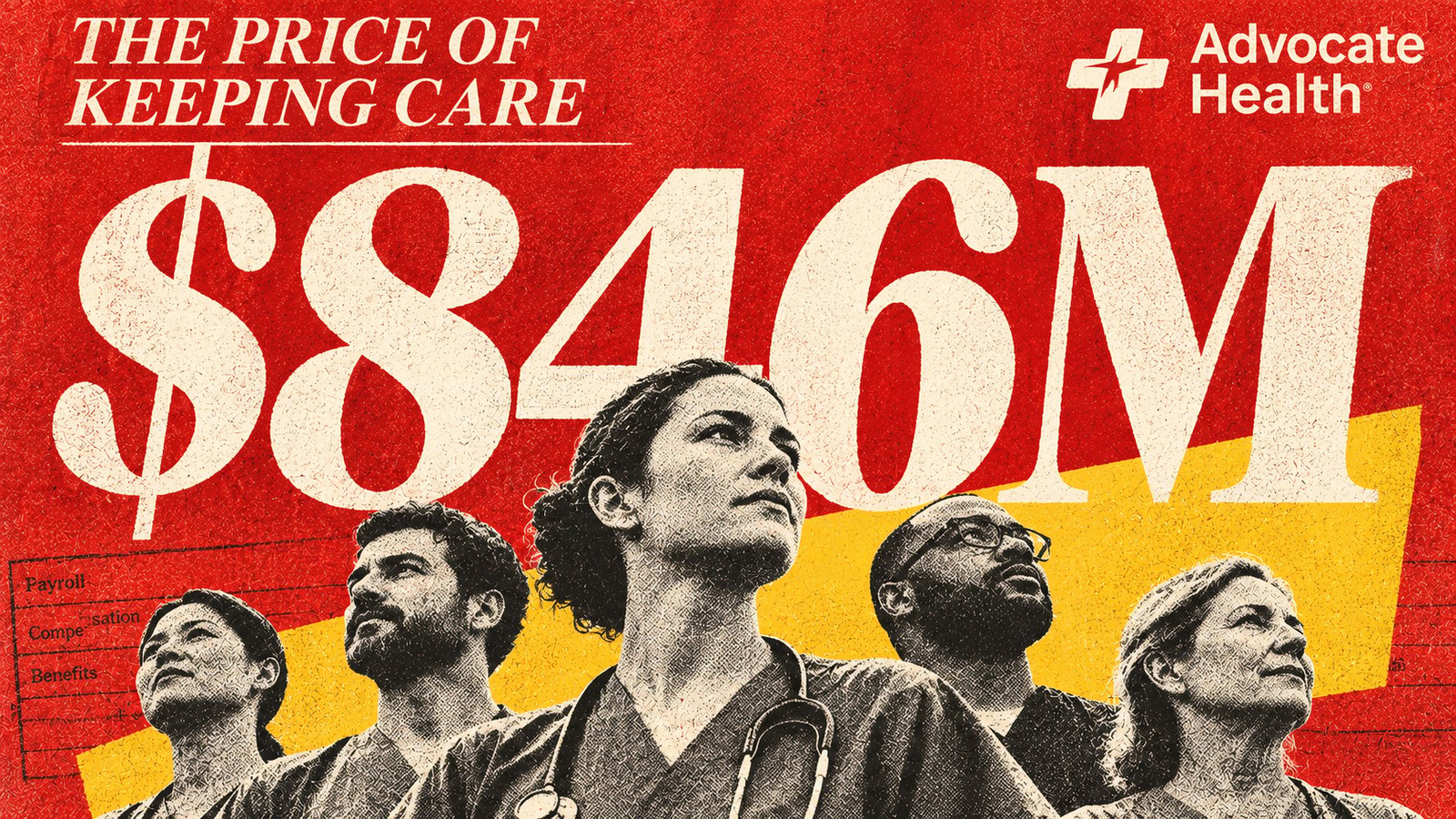
Advocate Health to boost employee compensation by $846 million in 2027
Advocate Health will spend $1.24 billion on its workforce in 2027, raising the minimum wage to $20 and adding $390 million in new benefits.

FDA approves first factor XIa inhibitor to cut secondary stroke risk
The U.S. FDA’s clearance of Sunharbo (asundexian) adds a 26% risk-reduction option for post-stroke patients, but elderly bleeding risk requires careful use.
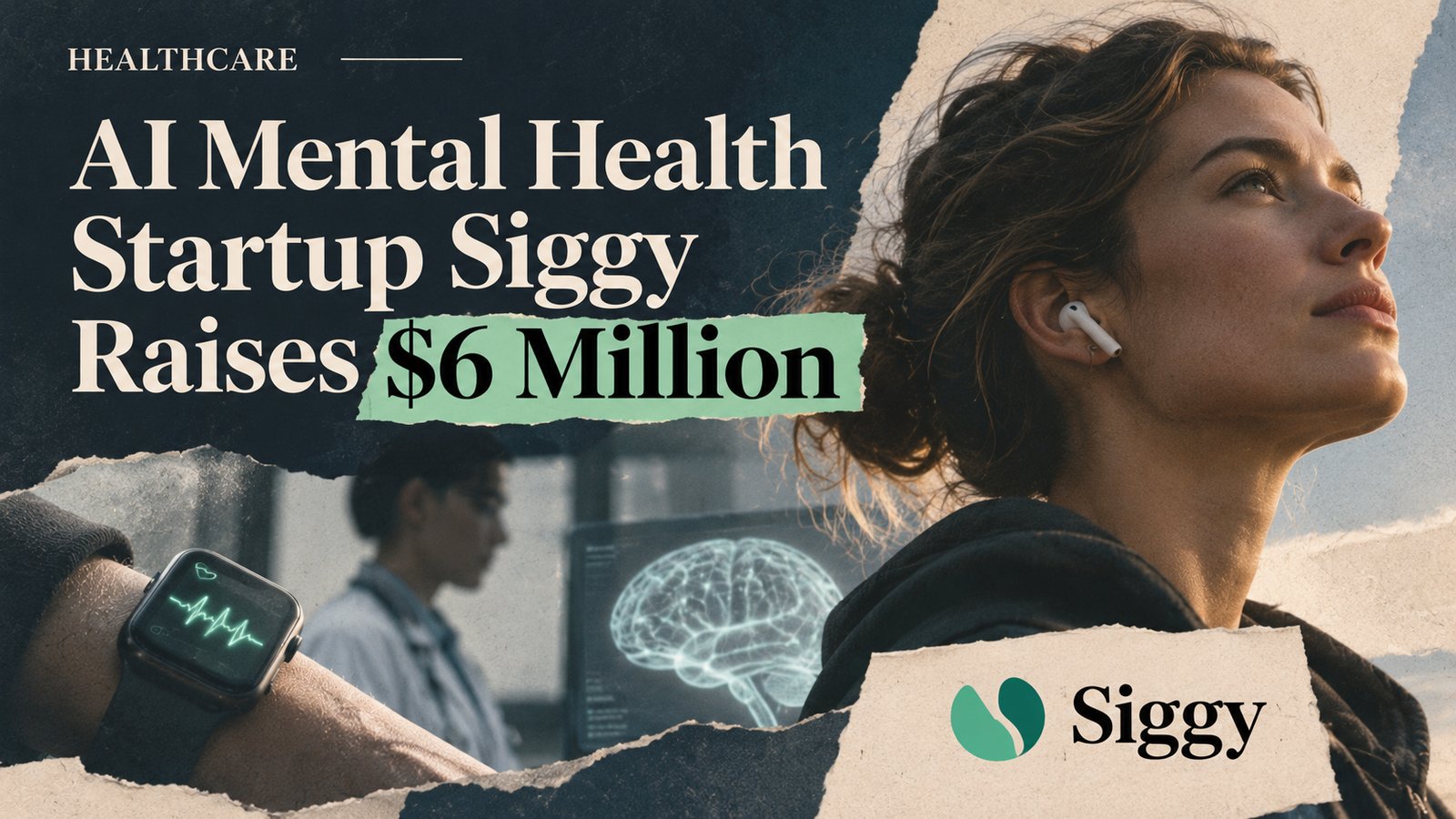
AI-driven virtual mental health startup Siggy launches with $6 million seed
Siggy debuts a free-intake, AI-augmented mental health platform that blends continuous digital monitoring with clinician-led therapy, backed by $6 million in pre-seed funding.