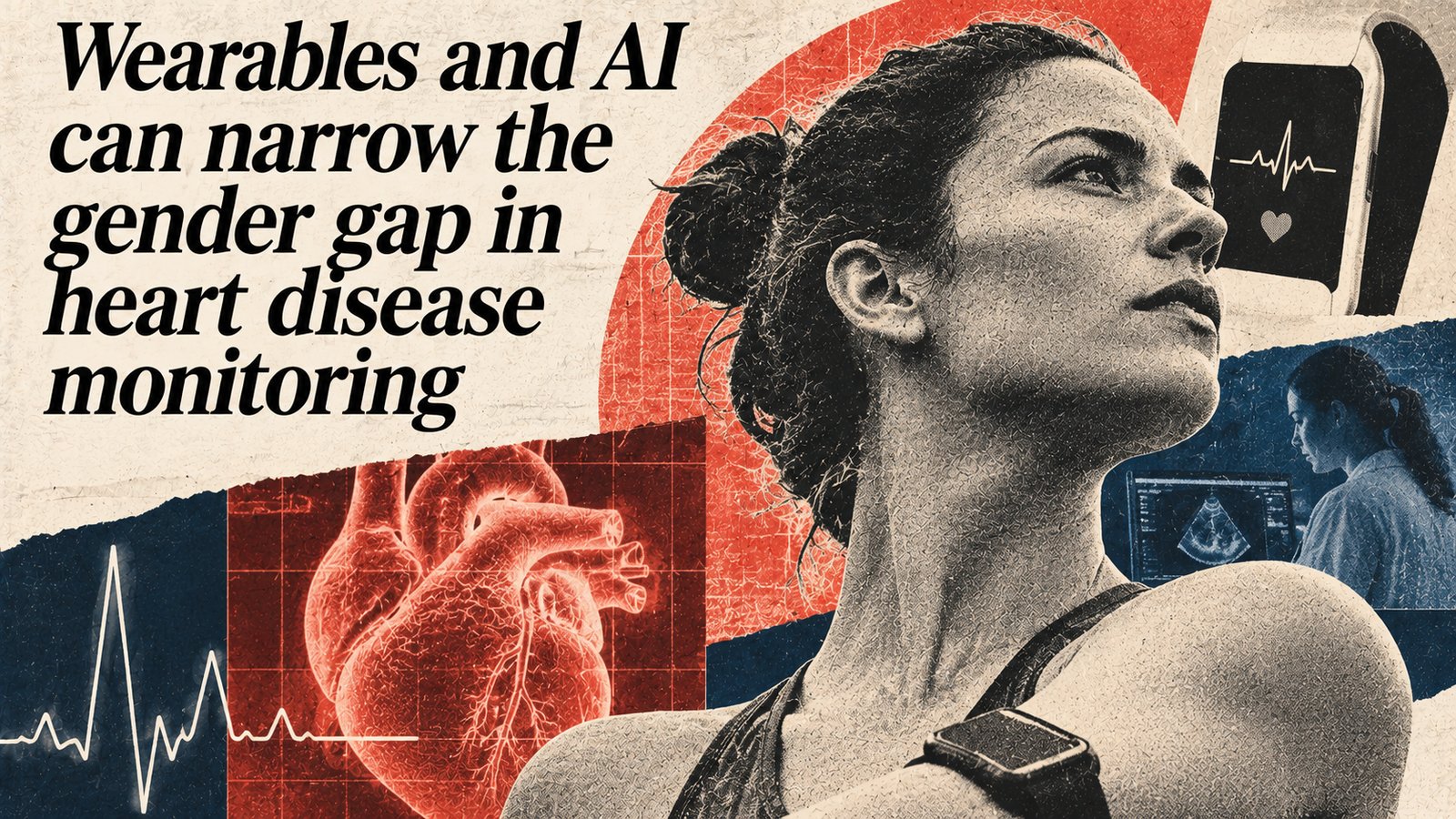
Cardiovascular disease kills more women than breast, lung and chronic lung disease combined; WHOOP’s data and AI initiatives aim to provide gender-specific insights, requiring systematic integration.
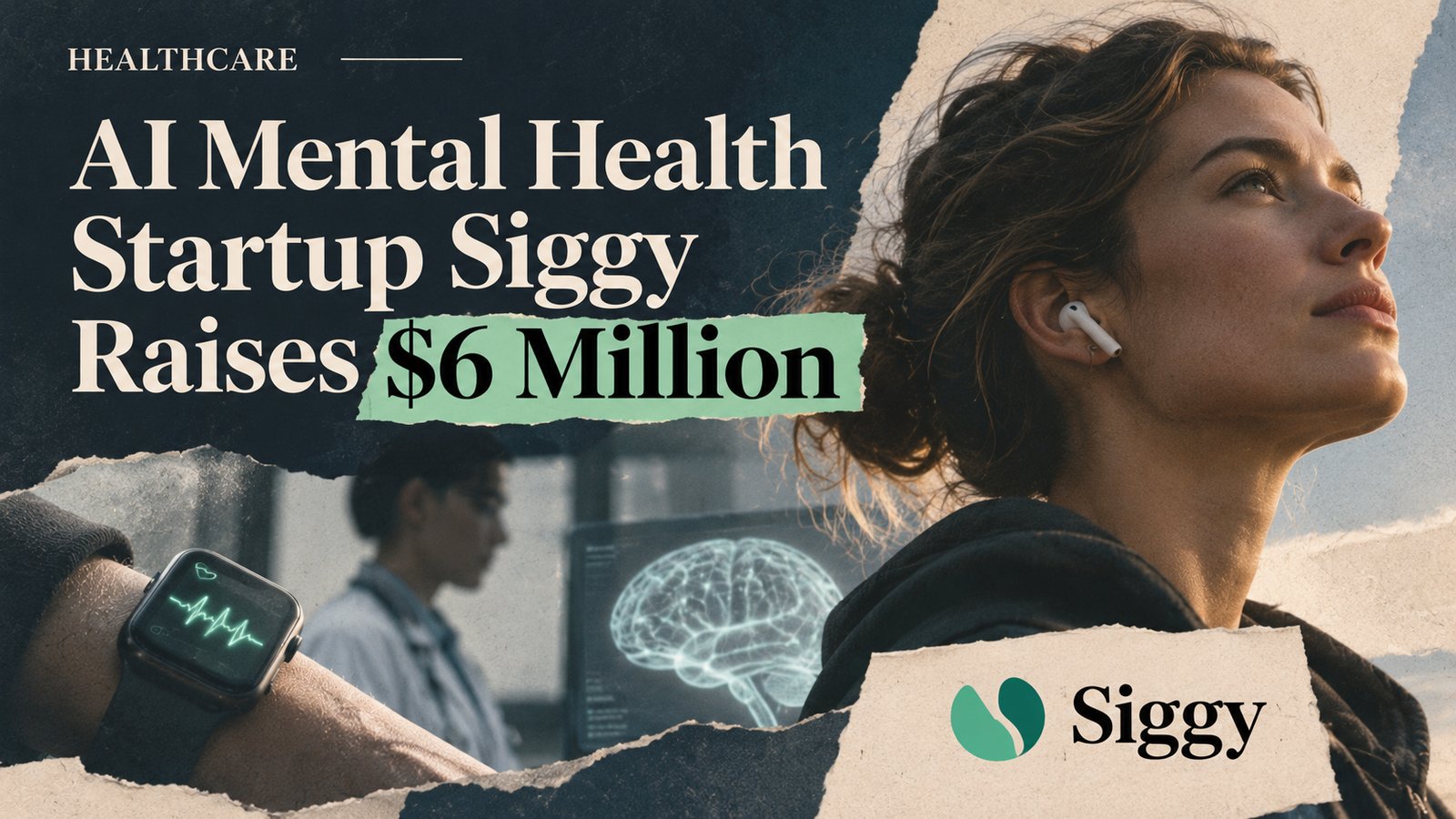
Siggy debuts a free-intake, AI-augmented mental health platform that blends continuous digital monitoring with clinician-led therapy, backed by $6 million in pre-seed funding.
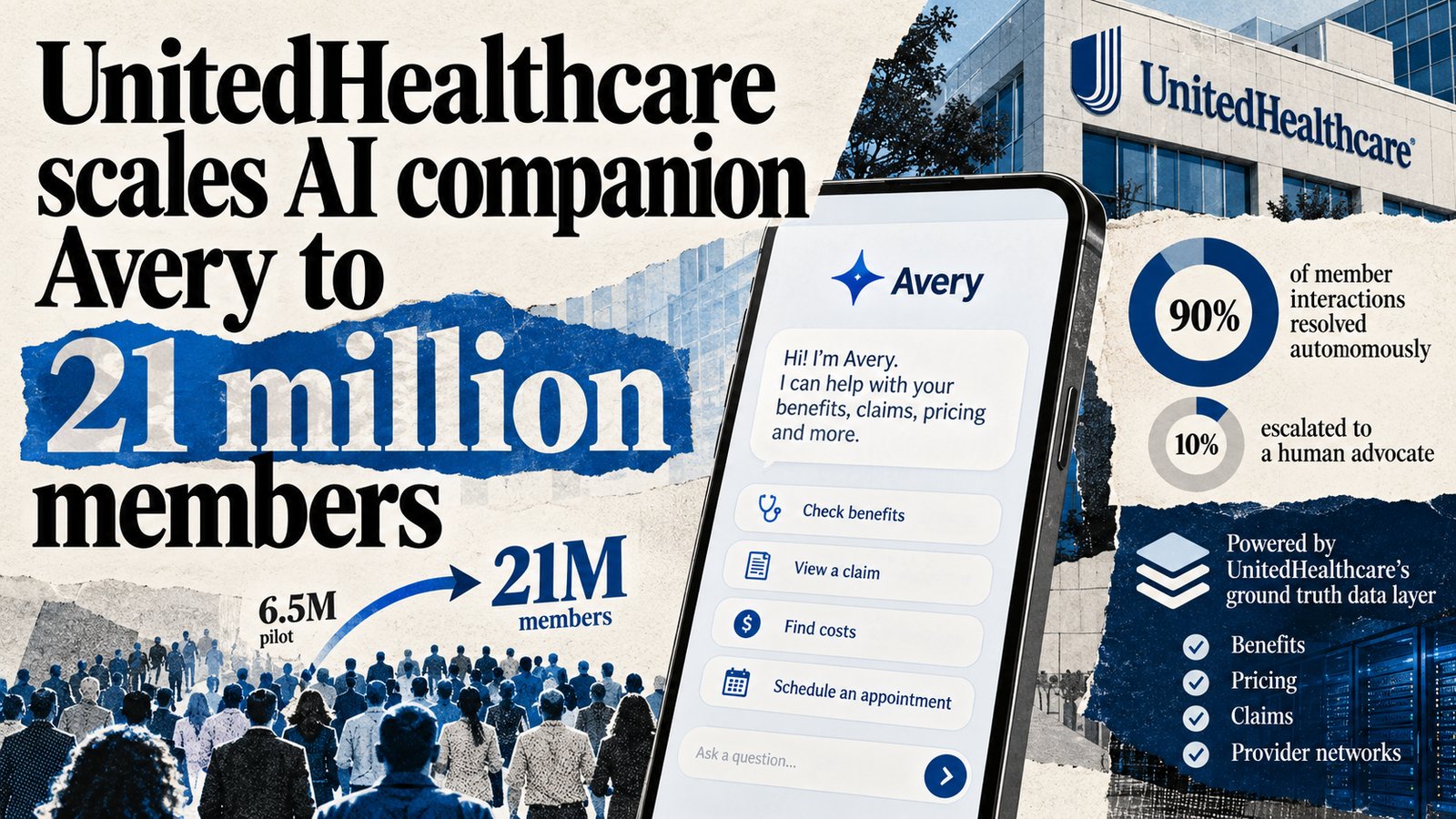
UnitedHealthcare expands its generative-AI companion Avery from an initial 6.5 million to 21 million enrollees, reporting 90% query resolution and a data-grounded design that underpins accuracy.
The AMA’s new policy mandates that AI systems performing clinical tasks earn authority through evidence, with evolving oversight and clear accountability.
An enterprise agreement lets the University of Texas System scale Abridge’s clinical AI, boosting clinician adoption and freeing time for bedside care.
The partnership will create “human-first” AI that merges evidence, patient history and Hopkins best practices, reshaping curriculum and bedside decision-making.
An FDA advisory committee says Galleri’s benefits outweigh risks, but reimbursement, workflow and data-privacy hurdles mean health systems must act now to capture value.
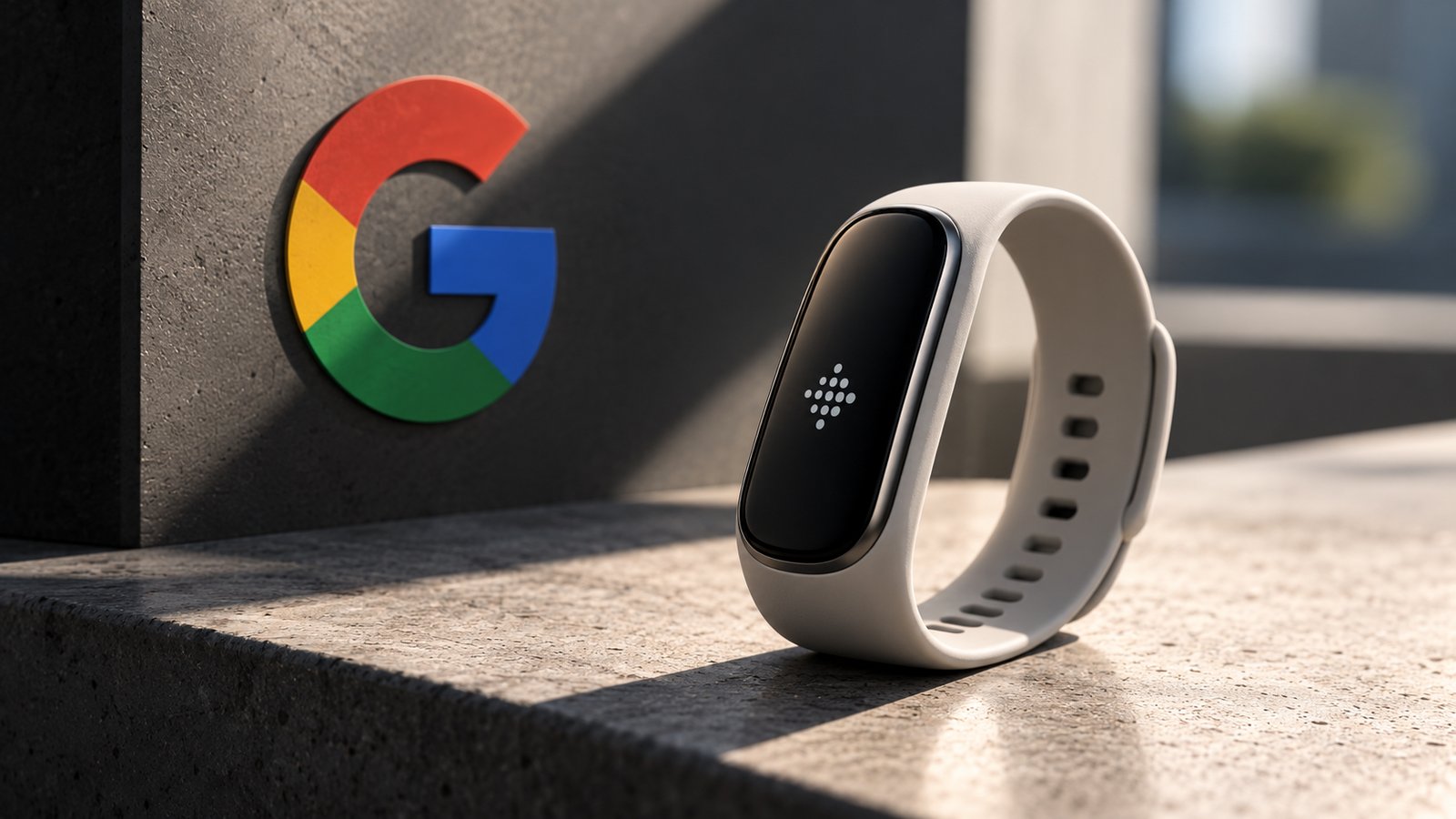
Google’s $180 Fitbit Edge adds AI-driven blood-pressure and insulin-resistance tracking, forcing health systems to rethink data integration, care pathways and payer contracts.
Healthleap’s language-model platform scans EHR notes to surface undiagnosed malnutrition, cutting stays and boosting reimbursements—see the financial upside.
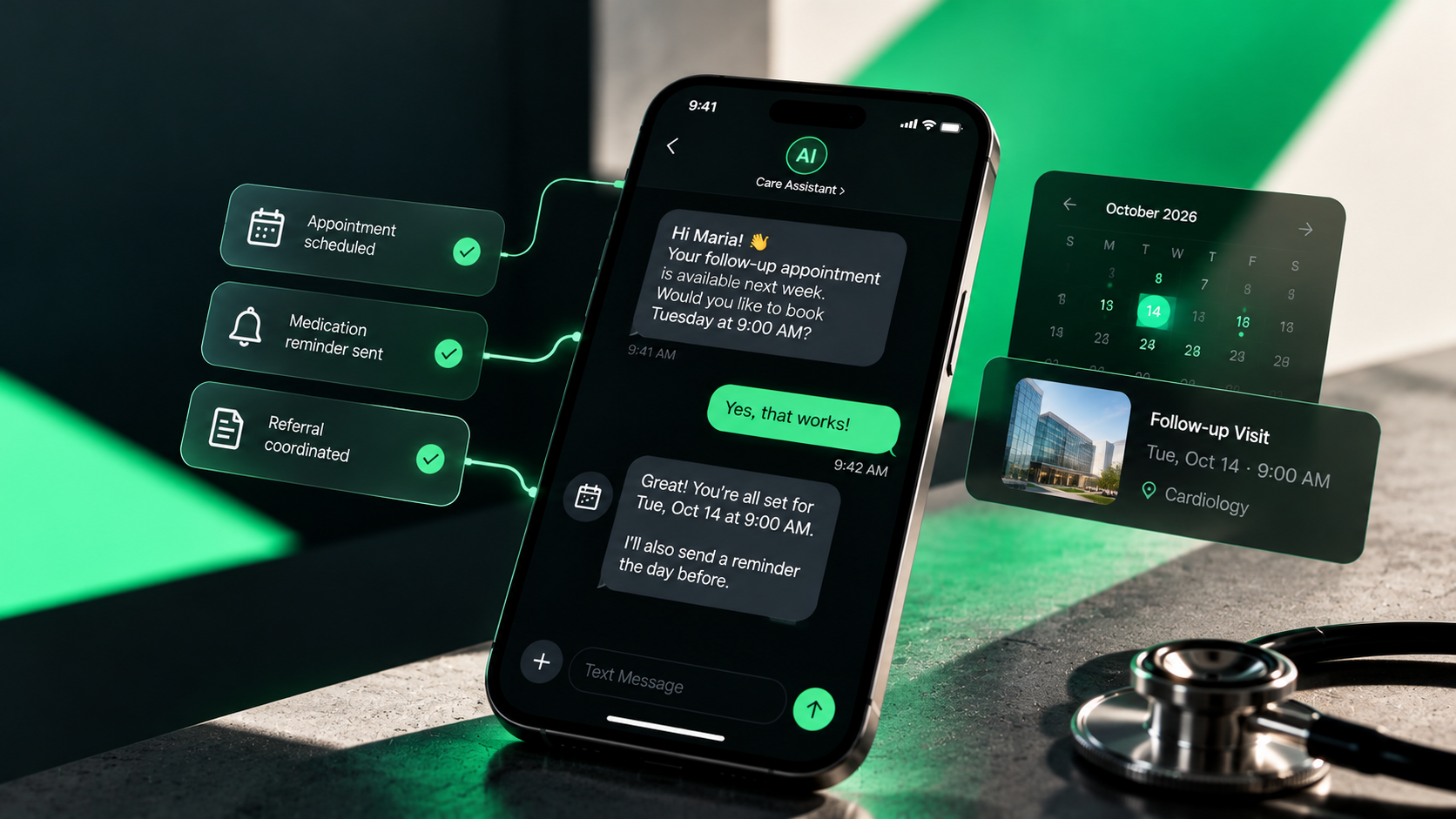
Messaging-based AI assistants let clinicians automate scheduling, reminders and referrals without extra apps, reshaping how hospitals streamline patient touchpoints.