Google’s Fitbit Edge pushes proactive AI health monitoring into mainstream wearables
Google’s $180 Fitbit Edge adds AI-driven blood-pressure and insulin-resistance tracking, forcing health systems to rethink data integration, care pathways and payer contracts.
Key takeaways
- The Edge’s AI-powered Health Guardian creates continuous, provider-ready trends for blood pressure and insulin resistance, demanding integration with health-record platforms.
- Google Health Premium, the subscription that unlocks these insights, will drive new reimbursement models and require payer negotiations.
- Partnerships with Flo, Abbott and Function Health extend the Edge’s data reach, offering a template for hospitals to collaborate with consumer tech for longitudinal monitoring.
Overview
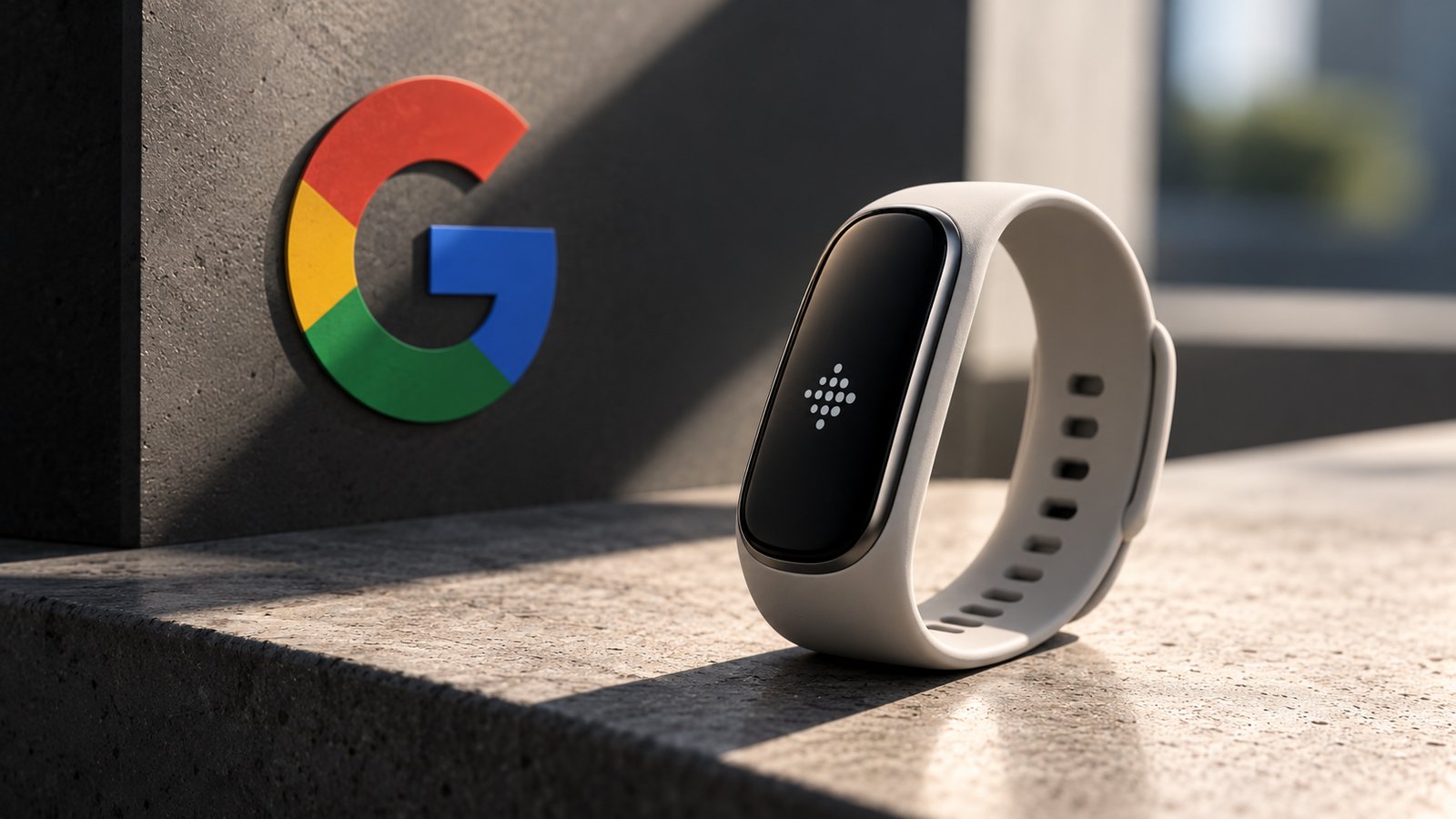
Google has turned the Fitbit brand into a platform for proactive health monitoring rather than a simple step counter. The newly announced Fitbit Edge, priced at $180, sits between the screen-less Fitbit Air and the Pixel Watch, but it adds far more than a slimmer form factor. Its automatic workout detection, altimeter and, crucially, AI-driven health sensors now track blood-pressure trends and insulin-resistance patterns without any finger-prick tests.
The Edge’s health insights are powered by Google’s Health Guardian suite, which applies a foundation model called WavesFM—trained on billions of minutes of raw heart and movement data—to estimate blood-pressure trajectories. The insulin-resistance feature passively analyzes multi-week physiological data to gauge metabolic efficiency. Both signals are delivered through the Google Health app, which unifies data from the Edge, Health Connect, Apple Health and even medical records into a single, redesigned experience.
Data Integration
For health-system leaders, the Edge represents a shift from fragmented, reactive data capture to a proactive, AI-enabled companion that can surface subtle health changes before they become acute events. The Edge feeds its analytics into Google Health Premium, a subscription service that also unlocks AI health coaching and Health Guardian tools. Hospitals must decide whether to ingest these data streams directly or rely on patient-managed dashboards. Existing integration pathways, such as the recent partnership with Function Health that imports clinical lab results, suggest a roadmap for pulling external wearable data into EHRs, but the effort requires robust APIs and governance frameworks.
Reimbursement Models
Continuous trend monitoring creates a new service category that insurers have yet to price. Payers may view the Edge’s insights as a preventative benefit, similar to remote patient monitoring (RPM) codes, but the subscription cost and frequency of alerts could drive novel bundled-payment structures. Early adopters will need to pilot value-based contracts that tie reductions in ED visits or hospitalizations to the wearables’ predictive alerts.
Strategic Partnerships
Google’s multi-year alliance with Flo brings women’s-health cycles, pregnancy and menopause data into the same platform, while a partnership with Abbott connects the Lingo OTC continuous glucose monitor. These collaborations expand the Edge’s utility across condition-specific monitoring programs. Health systems can leverage these existing integrations as a template for joint research or co-development agreements that target underserved populations, such as perimenopausal women or patients with polyendocrine metabolic ovarian syndrome (PMOS).
The Edge’s week-long battery life and sleek, ultra-slim design lower the barrier for sustained consumer wear, increasing the likelihood of high-frequency data capture. However, the value of that data hinges on the health system’s ability to turn raw trends into actionable care pathways.
What to do next: - Map data flows – Conduct a rapid assessment of existing EHR interfaces to determine the minimal effort needed to ingest Google Health Premium APIs. The trade-off is speed versus the need for custom middleware; a quick integration may miss data-quality controls, while a more robust solution delays rollout. - Pilot reimbursement – Identify a high-risk cohort (e.g., patients with pre-diabetes) and negotiate a pilot RPM payment with a willing payer that includes Edge-derived alerts as a reimbursable service. This pilot balances the risk of unproven billing codes against the potential for early ROI through avoided admissions. - Leverage partnerships – Join Google’s ecosystem by collaborating with Flo or Abbott on a joint research protocol that examines Edge-generated trends against clinical outcomes. While partnership negotiations require resource investment, they provide access to proprietary algorithms and a clearer path to evidence-based adoption.
By treating the Fitbit Edge as a data source rather than a mere consumer gadget, health organizations can operationalize continuous, AI-enhanced monitoring and position themselves at the forefront of preventative care.
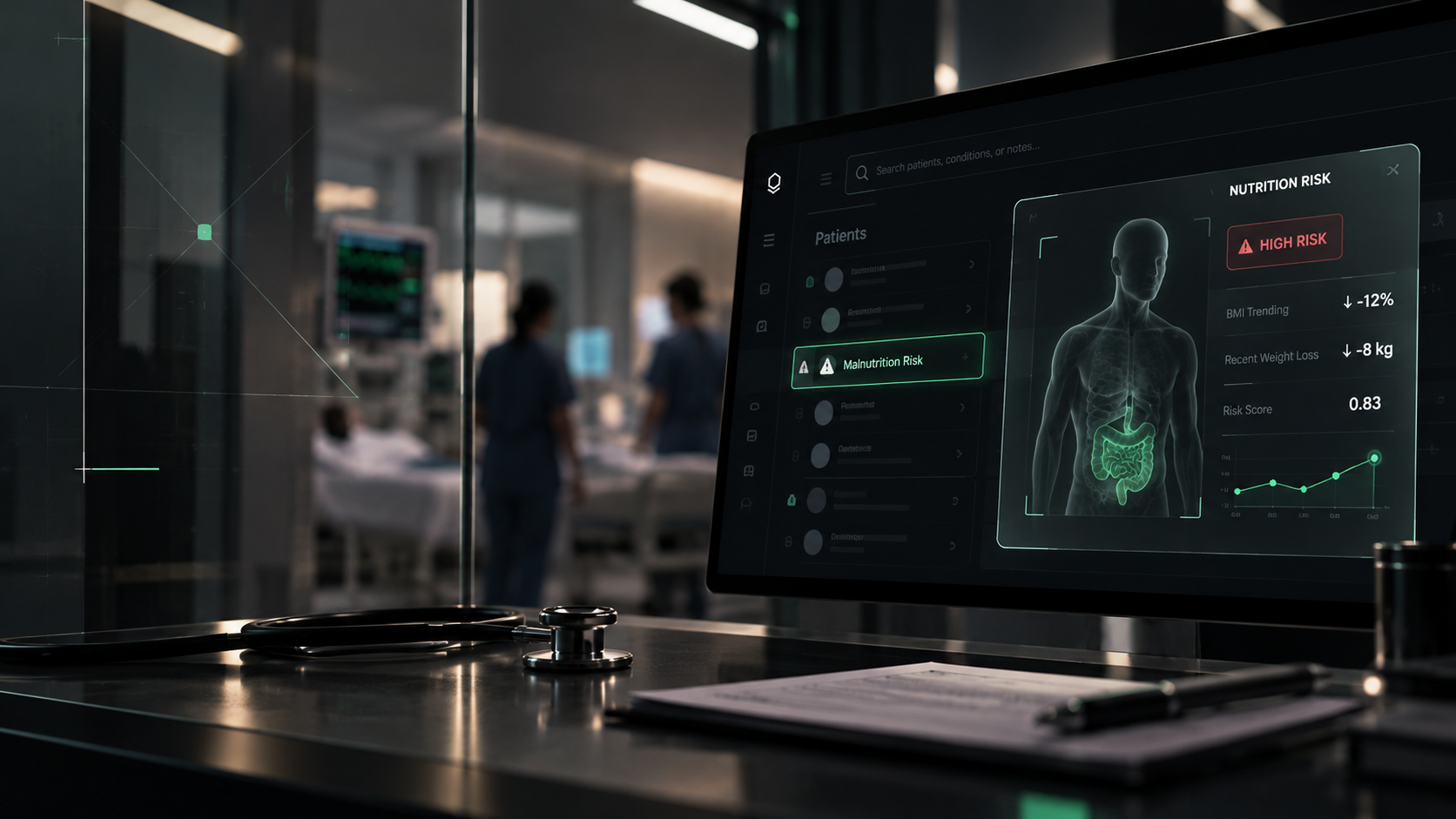
AI malnutrition detection in EHRs boosts hospital ROI 5-20×
Healthleap’s language-model platform scans EHR notes to surface undiagnosed malnutrition, cutting stays and boosting reimbursements—see the financial upside.

Amazon drops NDAs with governments, aims to quell data-center backlash
AWS chief says ending nondisclosure deals and $1 bn community spending will restore trust as moratoriums rise across the U.S.
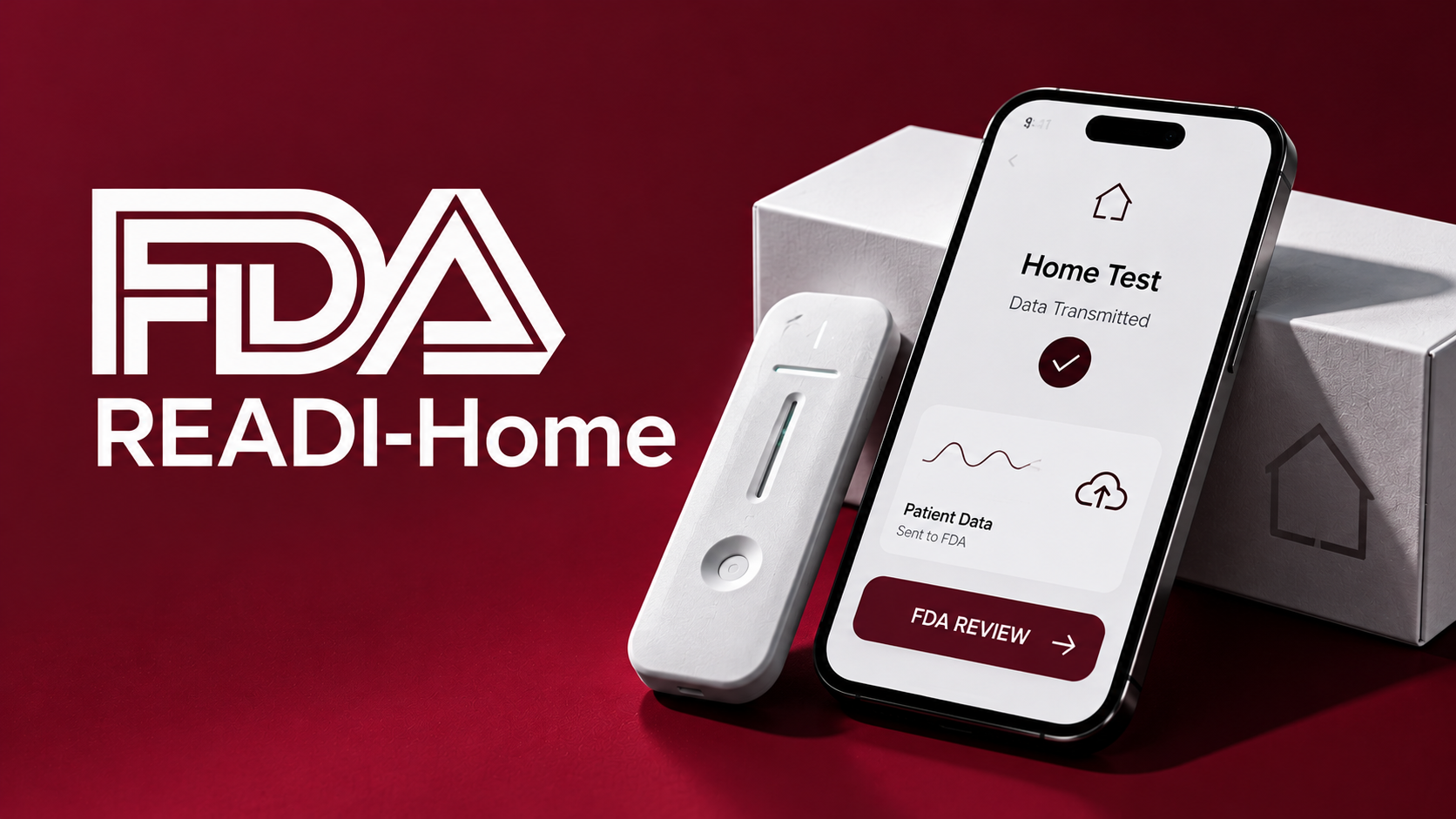
FDA’s READI-Home pilot launches with first five participants
The FDA’s READI-Home program begins, letting five early adopters test home-based diagnostic tools under a new regulatory framework – here’s what leaders must do now.