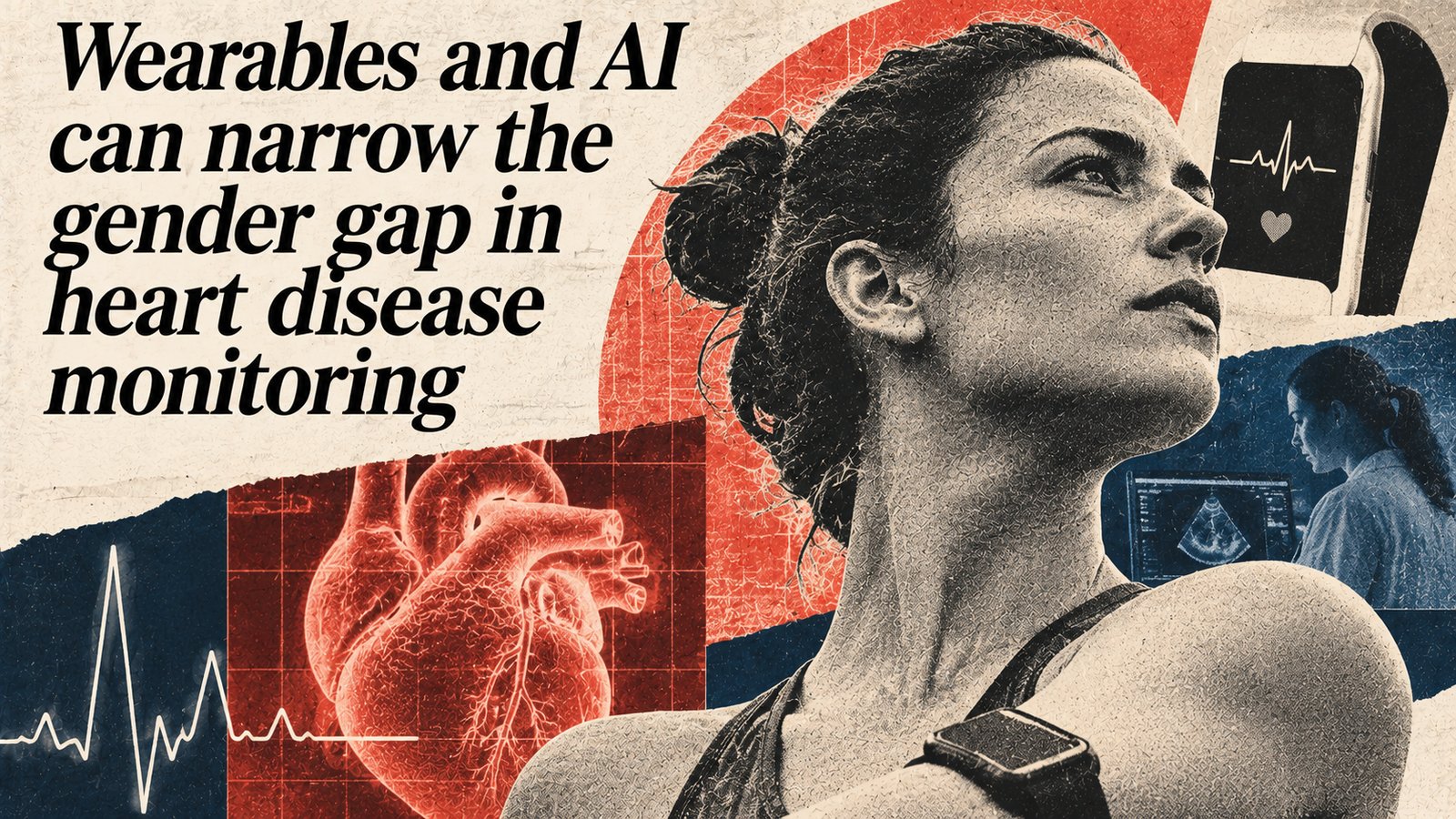
Cardiovascular disease kills more women than breast, lung and chronic lung disease combined; WHOOP’s data and AI initiatives aim to provide gender-specific insights, requiring systematic integration.
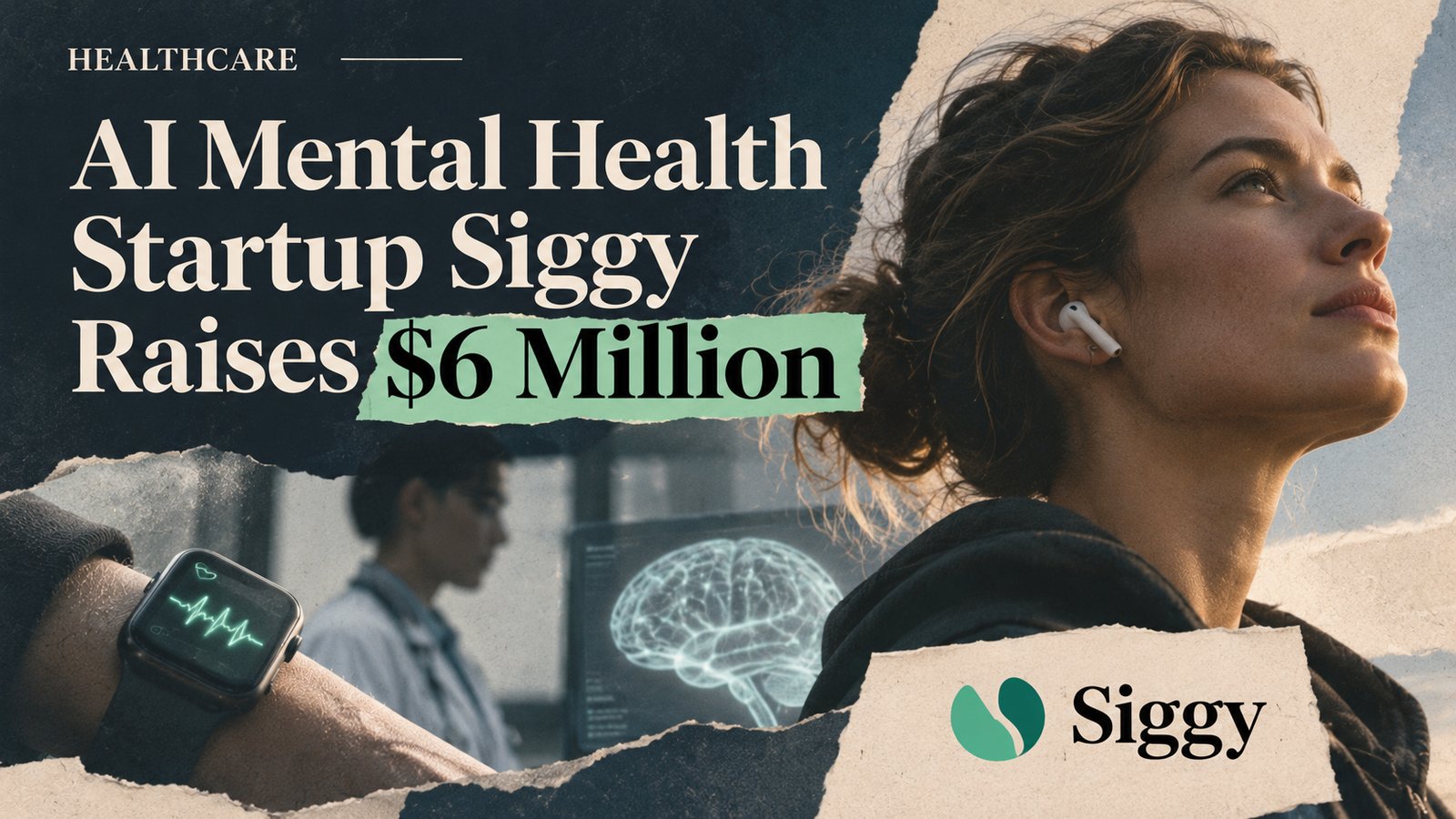
Siggy debuts a free-intake, AI-augmented mental health platform that blends continuous digital monitoring with clinician-led therapy, backed by $6 million in pre-seed funding.
A severely immunocompromised patient in Lyon died after infection with shamonda virus, a cattle-affecting midge-borne pathogen previously seen only in animals.
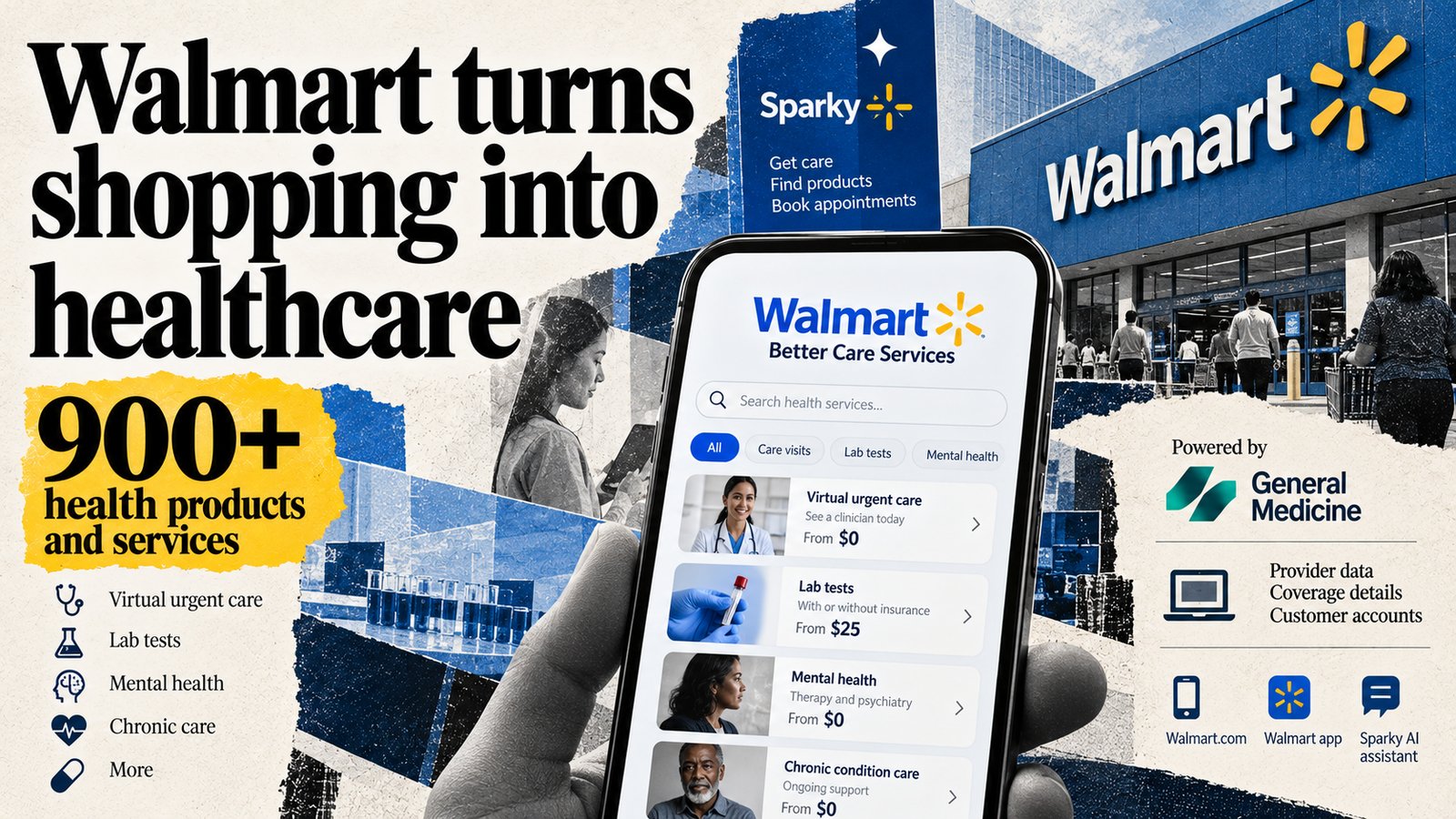
Walmart teams with General Medicine to turn its Better Care Services into a shoppable health marketplace, adding 900+ products and real-time cost estimates.
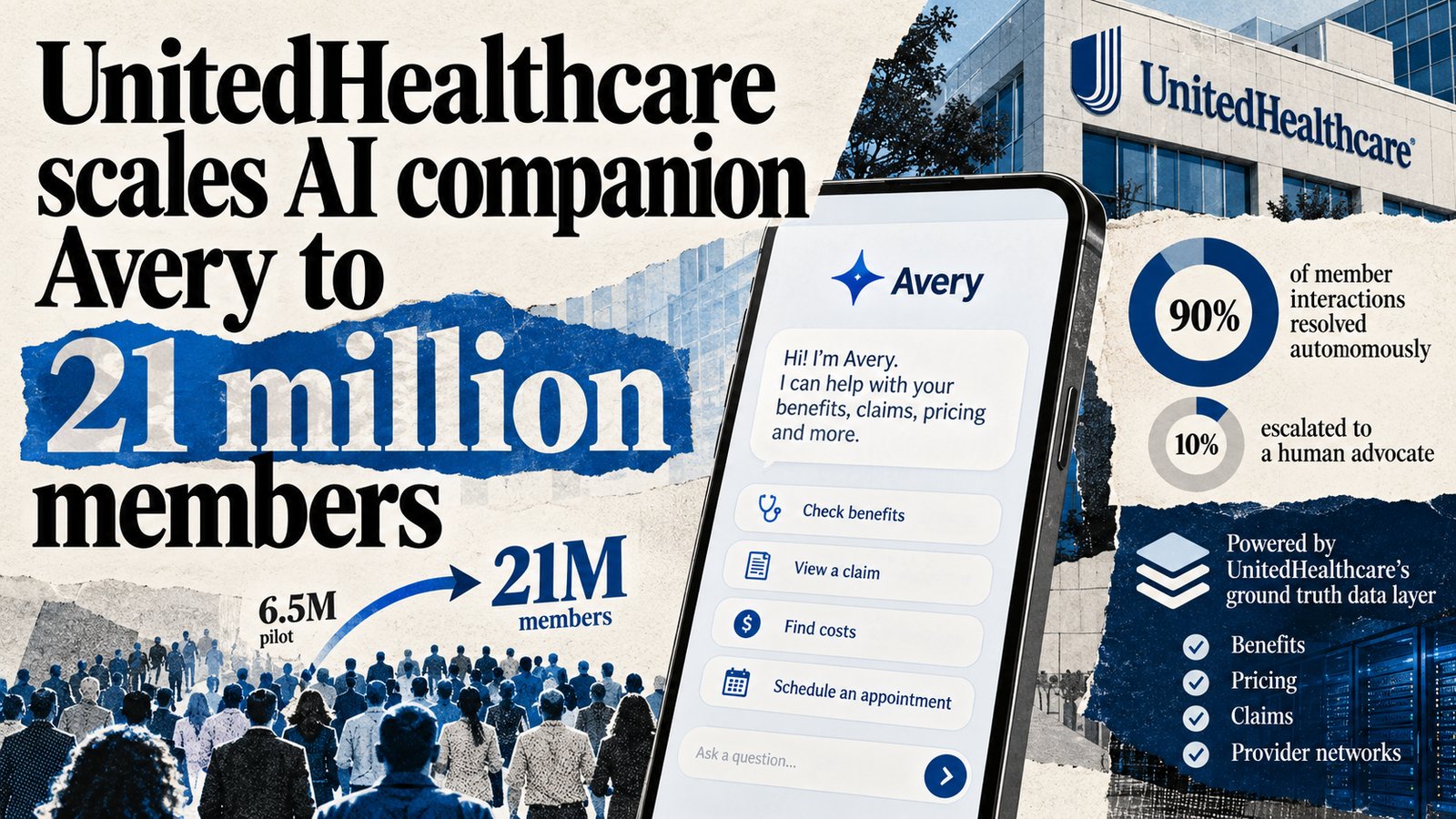
UnitedHealthcare expands its generative-AI companion Avery from an initial 6.5 million to 21 million enrollees, reporting 90% query resolution and a data-grounded design that underpins accuracy.
An executive order mandates a new NIH division and White House task force to centralize under-studied women’s conditions, but funding and scope remain unclear.
Longevity clinics are sprouting in major hospitals, promising multitrillion-dollar market upside but raising questions about payer models, regulation and clinical evidence.
Epic’s new prescription marketplace lets clinicians see insurance and cash prices from multiple pharmacies at the point of care, aiming to cut nonadherence from cost.
Proposed $70k work-authorization fee, visa fraud probes and a four-year cap are already pulling down international PhD applications, forcing labs to rethink hiring.
An enterprise agreement lets the University of Texas System scale Abridge’s clinical AI, boosting clinician adoption and freeing time for bedside care.
An FDA advisory committee says Galleri’s benefits outweigh risks, but reimbursement, workflow and data-privacy hurdles mean health systems must act now to capture value.
A $2.8 billion partnership will slash CenterWell’s cost of capital, fund new sites and give Humana flexible exit rights—shaping senior-care strategy through 2033.
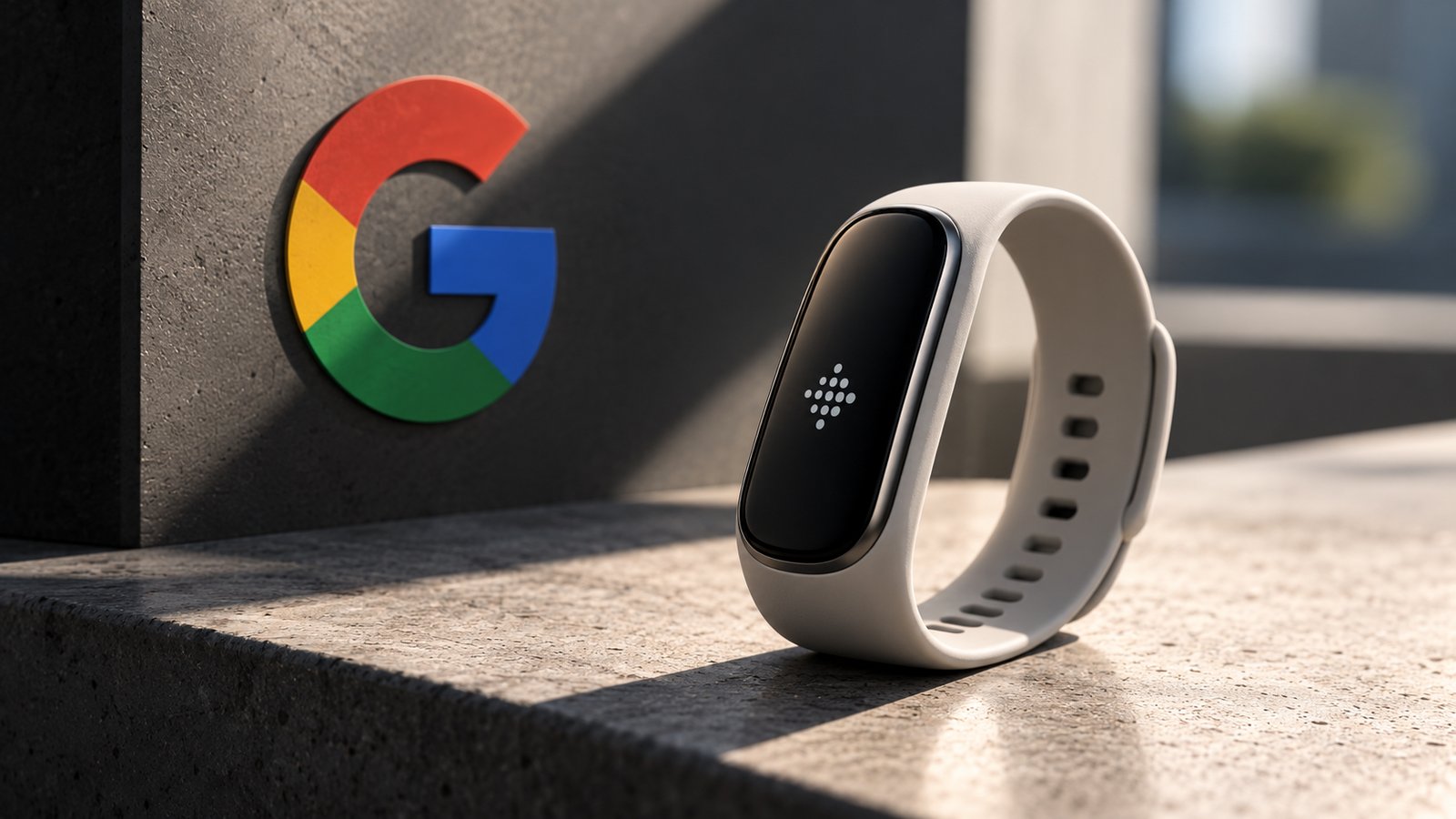
Google’s $180 Fitbit Edge adds AI-driven blood-pressure and insulin-resistance tracking, forcing health systems to rethink data integration, care pathways and payer contracts.
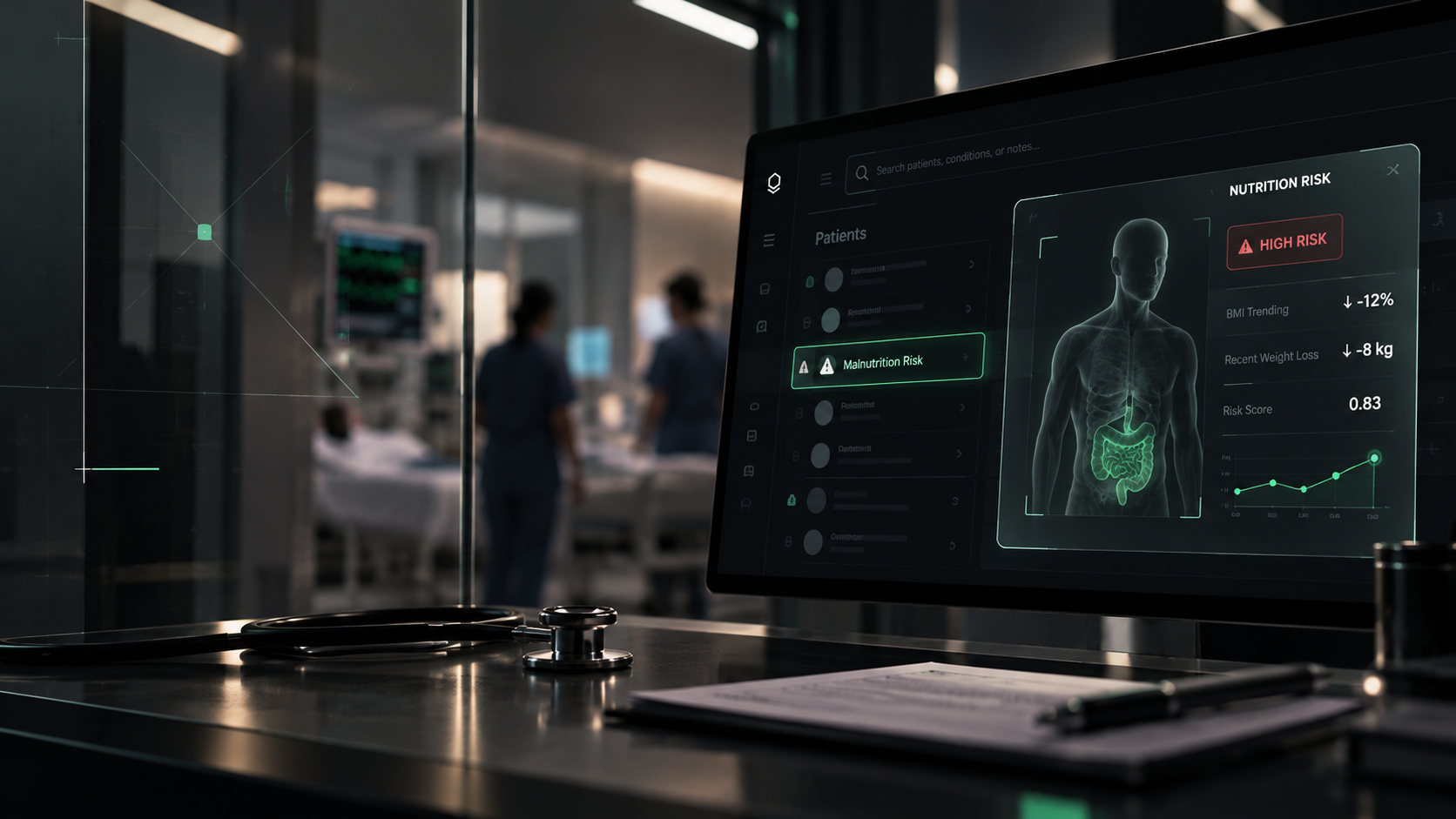
Healthleap’s language-model platform scans EHR notes to surface undiagnosed malnutrition, cutting stays and boosting reimbursements—see the financial upside.
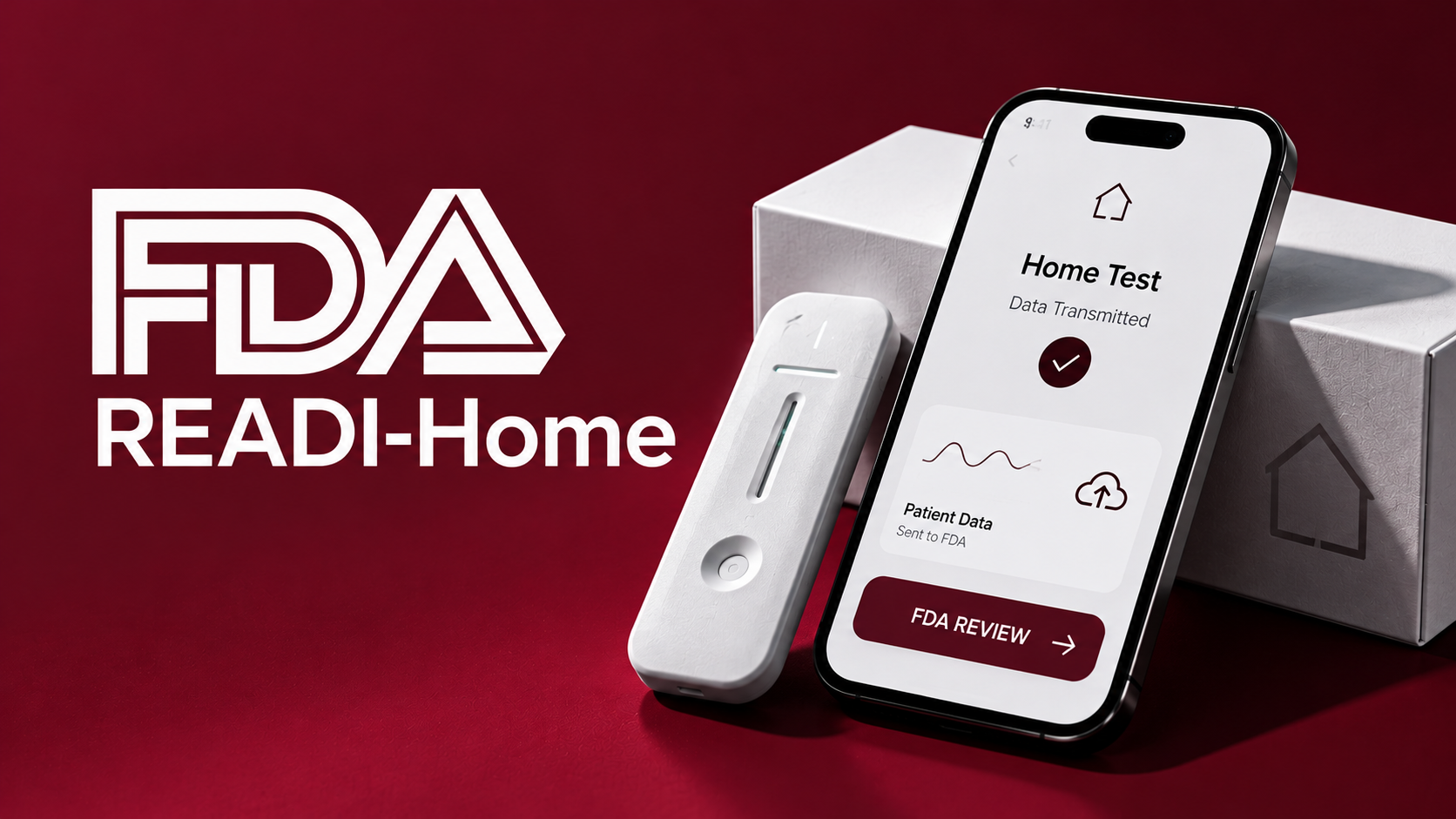
The FDA’s READI-Home program begins, letting five early adopters test home-based diagnostic tools under a new regulatory framework – here’s what leaders must do now.
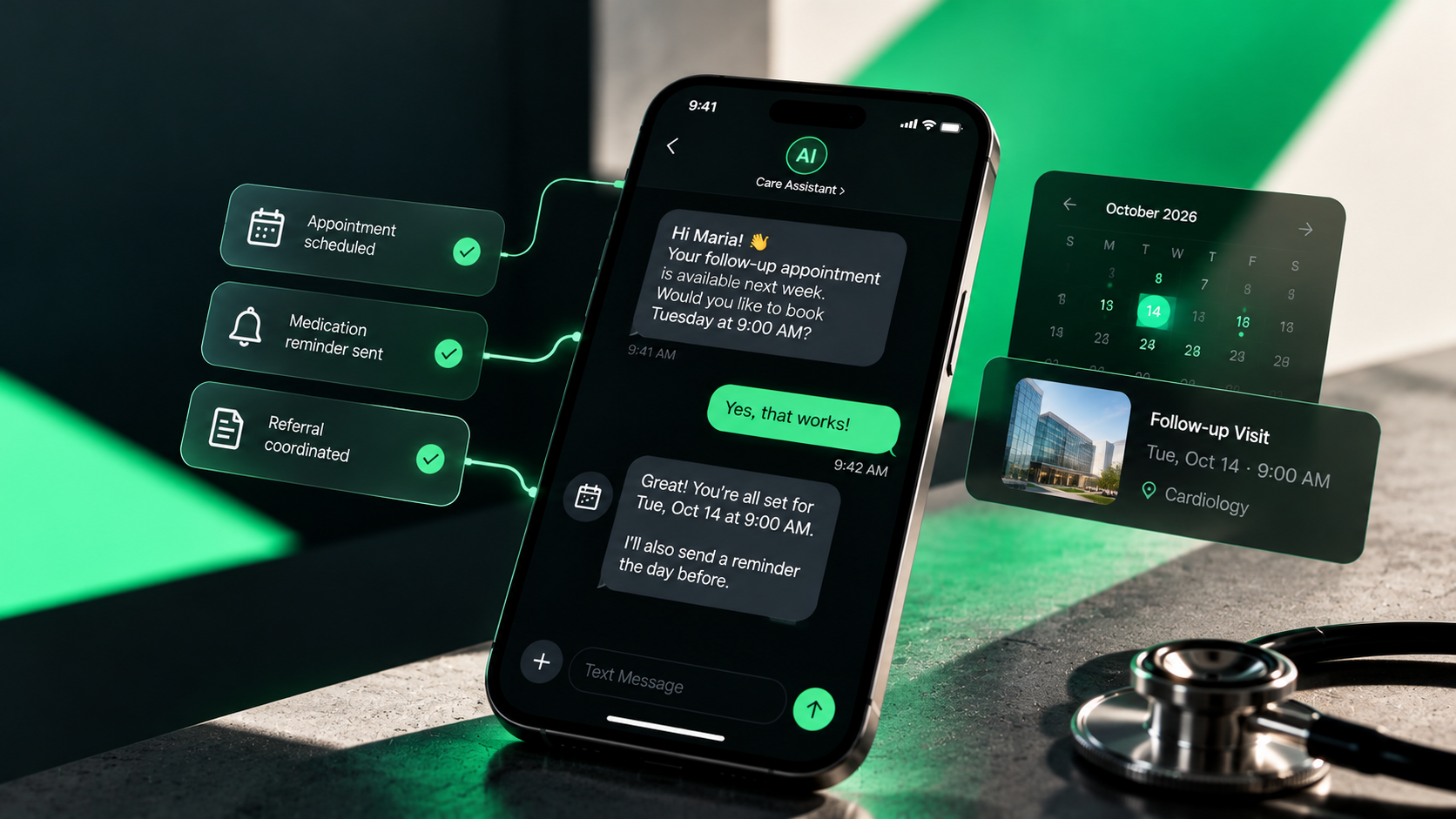
Messaging-based AI assistants let clinicians automate scheduling, reminders and referrals without extra apps, reshaping how hospitals streamline patient touchpoints.