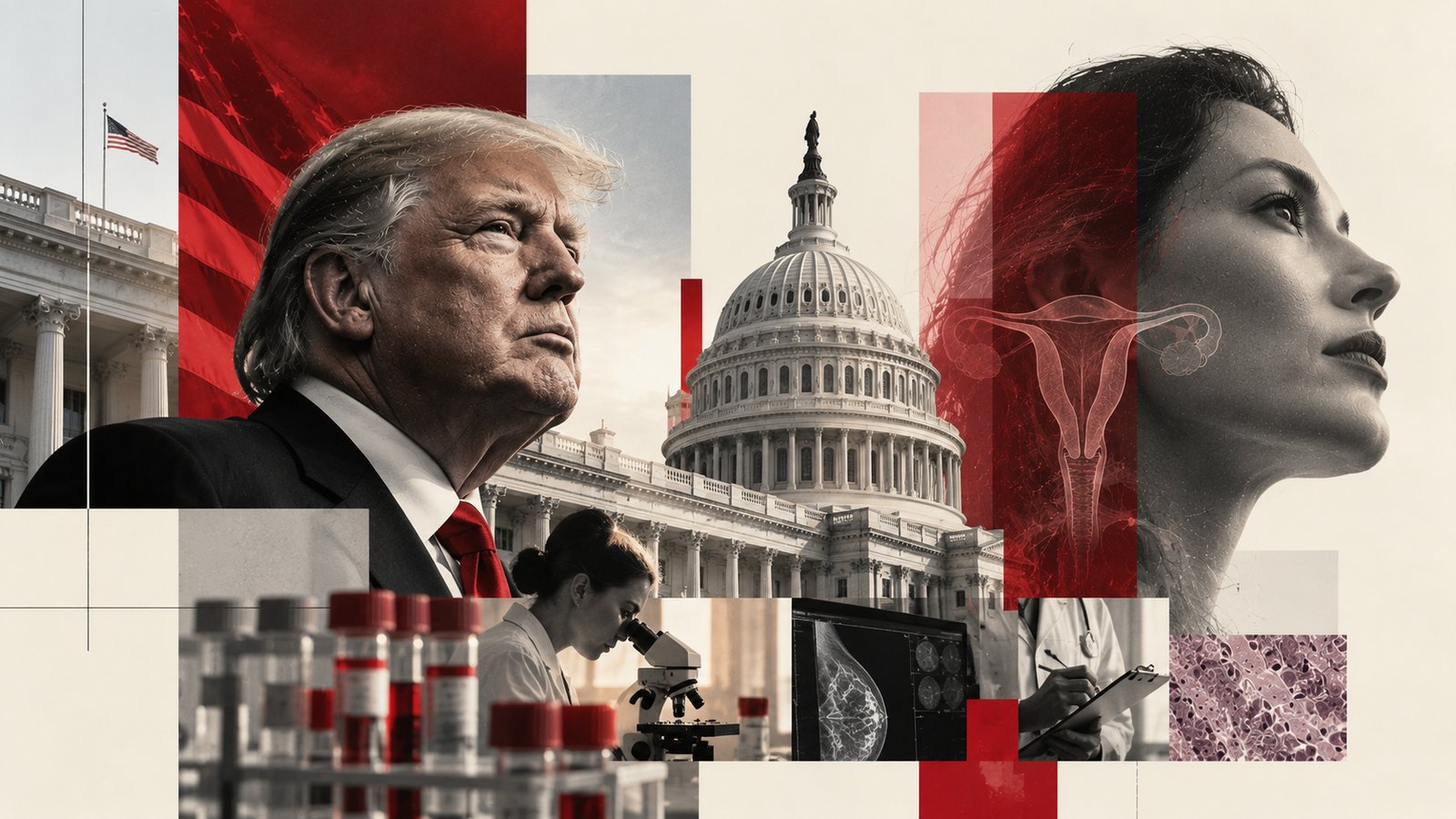
Trump creates new NIH division and White House task force for women’s health
An executive order mandates a new NIH division and White House task force to centralize under-studied women’s conditions, but funding and scope remain unclear.
Key takeaways
- The order requires the NIH to stand up a women’s-health division within 90 days, but it will not replace the existing Office of Research on Women’s Health.
- The White House task force, led by chief of staff Susie Wiles, will meet for its first session on the day the order was signed and will be funded for administrative costs by HHS.
- Researchers can expect heightened expectations for sex-as-a-biological-variable inclusion, but the order provides no new earmarked research budget.
New NIH Division
An executive order signed Monday creates a dedicated women’s-health division at the National Institutes of Health and a White House task force to coordinate policy. “Beginning today, we will change the reality of women’s health,” first lady Melania Trump announced, framing the move as a generational commitment to cures that let women live fully.
The order sets a 90-day deadline for the NIH division to be operational. It will sit alongside, not replace, the Office of Research on Women’s Health and is tasked with streamlining research on understudied conditions, advancing diagnostic innovation, and improving treatment pathways. An NIH spokesperson told STAT that the division will “expand and coordinate research on understudied women’s health conditions across all stages of life” and will increase accountability for considering sex as a biological variable in NIH-funded studies.
White House task force
Funding for the new White House task force will come from the Department of Health and Human Services, covering only administrative expenses. The task force’s inaugural meeting is scheduled for Monday, with chief of staff Susie Wiles chairing. Members include cabinet secretaries Robert F. Kennedy Jr. and Pete Hegseth, acting FDA Commissioner Kyle Diamantas, and CDC director Erica Schwartz.
Implications for Researchers
The structural change arrives amid ongoing controversy over women’s-health research. Since the start of the second Trump administration, NIH grant applications that mention “women” have faced extra scrutiny, and broader federal moves have threatened funding for gender-focused science. A 2025 Science Advances review highlighted that women are seven times more likely than men to have a heart condition misdiagnosed and are less likely to receive post-attack prescriptions, underscoring persistent gaps.
While the order promises a “new standard for women’s health,” it does not allocate additional research dollars. In June, NIH deputy director Nicole Kleinstreuer signaled that a refresh of the NIH-wide strategic plan for women’s health research would appear in the fall, emphasizing “innovative methods and technologies and data science.” The new division will therefore rely on existing NIH budgets and reallocation of resources, a reality that could limit its immediate impact.
For medical organizations, the order signals heightened regulatory attention to sex-based inclusion. Clinical trial sponsors may face stricter expectations to enroll women and analyze outcomes by sex, as the division will “strengthen inclusion of women and girls in clinical trials.” Hospitals and device companies should prepare internal reviews of trial designs to ensure compliance and anticipate potential audit mechanisms tied to the task force’s oversight.
In the short term, the division’s creation offers a centralized point of contact for researchers seeking collaboration on women-focused studies. Long-term effects will hinge on whether Congress appropriates dedicated funding and whether the task force can translate its convening power into actionable policy.
What to do now:
- Map current women-focused research projects – Identify which studies already address understudied conditions; this will position your organization to align with the new division’s coordination goals. Trade-off: reallocates staff time but clarifies eligibility for future collaborations.
- Audit clinical trial protocols for sex-based analysis – Ensure that data collection plans include sex as a variable and that enrollment targets for women meet NIH recommendations. Trade-off: may extend trial timelines but avoids future compliance risk.
- Engage with the upcoming task force – Submit policy comments or position statements during the task force’s early meetings to influence priority setting. Trade-off: requires dedicated advocacy resources with uncertain immediate payoff.
By taking these steps, leaders can turn a politically driven structural change into a strategic advantage for women’s-health research and delivery.

Wearables and AI can narrow the gender gap in heart disease monitoring
Cardiovascular disease kills more women than breast, lung and chronic lung disease combined; WHOOP’s data and AI initiatives aim to provide gender-specific insights, requiring systematic integration.
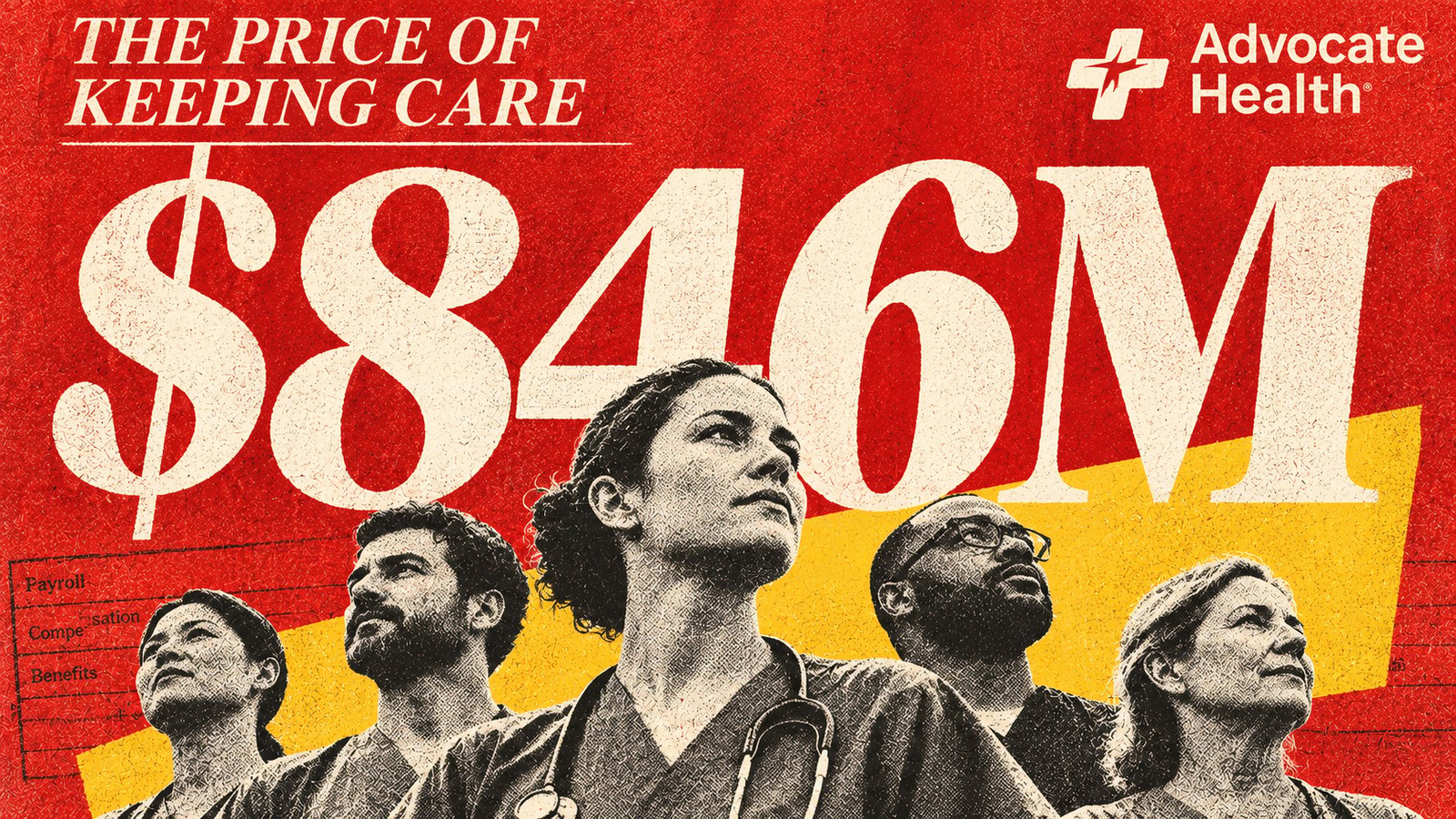
Advocate Health to boost employee compensation by $846 million in 2027
Advocate Health will spend $1.24 billion on its workforce in 2027, raising the minimum wage to $20 and adding $390 million in new benefits.

FDA approves first factor XIa inhibitor to cut secondary stroke risk
The U.S. FDA’s clearance of Sunharbo (asundexian) adds a 26% risk-reduction option for post-stroke patients, but elderly bleeding risk requires careful use.