First human case of shamonda virus reported in france
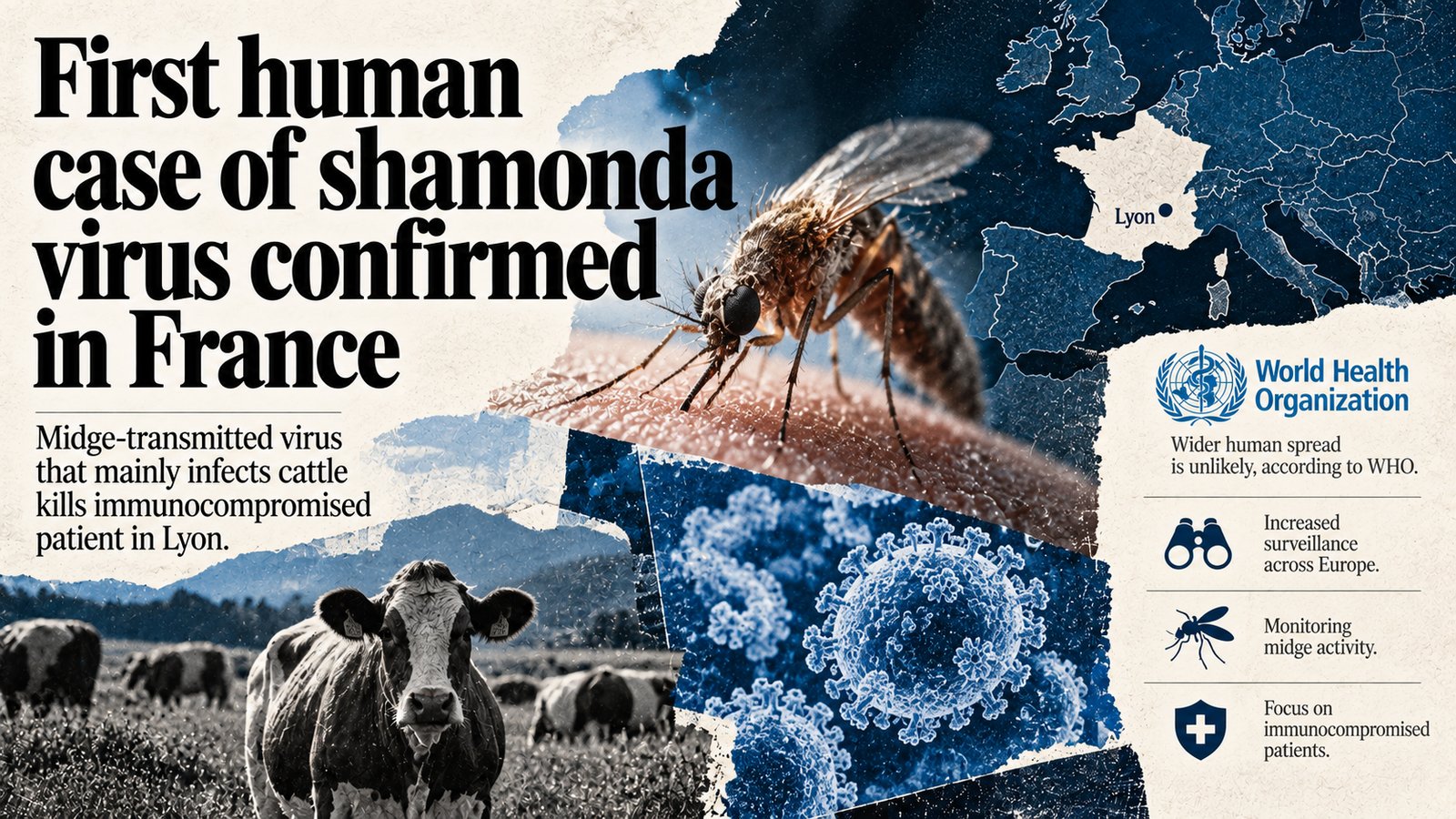
A severely immunocompromised patient in Lyon died after infection with shamonda virus, a cattle-affecting midge-borne pathogen previously seen only in animals.
Key takeaways
- French health officials confirmed the first human infection with shamonda virus, a midge-transmitted pathogen that mainly infects cattle.
- The patient, who was severely immunocompromised, developed neurological symptoms and later died, prompting WHO to note that wider human spread is unlikely.
- European health agencies are now intensifying surveillance for additional cases while monitoring midge activity that could bridge animal-to-human transmission.
Spillover risk
The first documented human infection with shamonda virus underscores how animal pathogens can cross species barriers under the right conditions. A severely immunocompromised man living in Lyon was bitten by a midge, contracted the virus, exhibited neurological symptoms and subsequently died. Investigators are still determining the extent to which the virus contributed to his death. Shamonda virus is a midge-borne arbovirus that primarily infects cattle, but has also been reported in horses, sheep and goats. Since the 1960s it has circulated in Africa and Japan, and only this year was it identified in Europe. The French case marks the pathogen’s inaugural appearance in a human host, confirming that the virus can move beyond its typical livestock reservoir when an immunologically vulnerable person is exposed.
Surveillance response
European officials have announced heightened vigilance. The World Health Organization has weighed in, stating that broader human transmission is unlikely. Nonetheless, the incident highlights the need for effective zoonotic surveillance, especially in regions where midges are active and livestock infections are common. For health system leaders, the case raises three immediate priorities. First, integrate shamonda virus testing into existing arboviral panels, particularly for immunocompromised patients presenting with unexplained neurological signs. Second, coordinate with veterinary and entomology services to map midge habitats and monitor animal outbreaks, as early animal cases can serve as an early warning for human risk. Third, communicate transparently with the public and clinicians that while the virus is now known to infect humans, the current risk of sustained community spread remains low, according to WHO assessments.
Practical actions for health leaders
Hospitals and health networks should assess laboratory capacity to handle shamonda PCR or serology, balancing the cost of new equipment against the low probability of widespread cases. Smaller clinics may rely on reference labs, but must establish rapid referral pathways. Vector control programs—such as targeted insecticide spraying in high-midge zones and livestock shelter improvements—can reduce exposure risk without large capital outlays, though they require coordination across public health, agricultural, and environmental agencies. In the longer term, leaders should embed zoonotic risk assessments into strategic planning for infectious disease preparedness. This includes scenario planning for rare spillovers, investing in cross-sector data-sharing platforms, and ensuring that clinical decision-support tools flag atypical arboviral infections in at-risk patients. While shamonda virus is unlikely to become a pandemic driver, the Lyon case illustrates how quickly a livestock pathogen can appear in a human and why integrated surveillance remains essential.
The virus has circulated in Africa and Japan since the 1960s but was only documented in Europe this year.
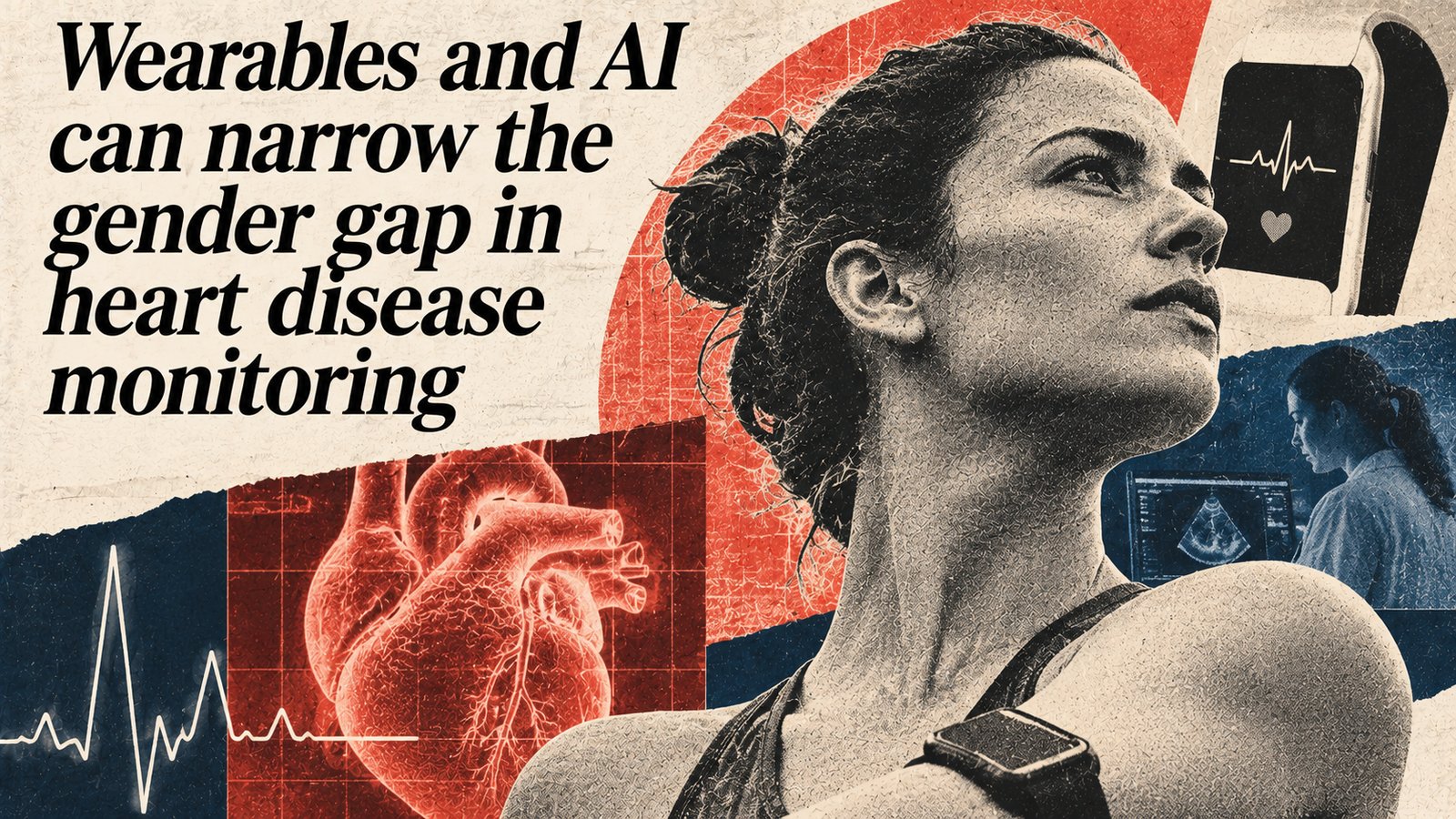
Wearables and AI can narrow the gender gap in heart disease monitoring
Cardiovascular disease kills more women than breast, lung and chronic lung disease combined; WHOOP’s data and AI initiatives aim to provide gender-specific insights, requiring systematic integration.
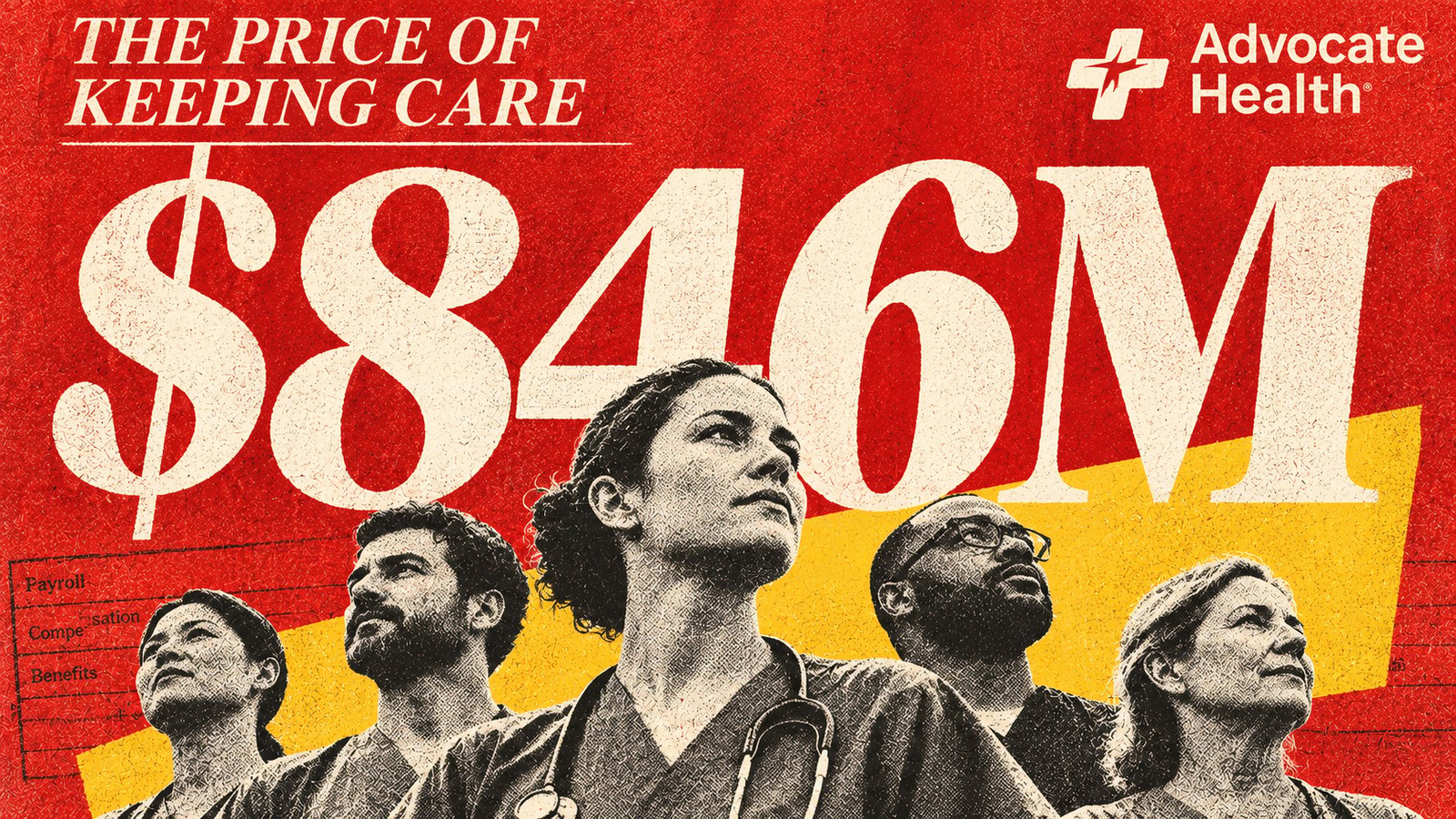
Advocate Health to boost employee compensation by $846 million in 2027
Advocate Health will spend $1.24 billion on its workforce in 2027, raising the minimum wage to $20 and adding $390 million in new benefits.

FDA approves first factor XIa inhibitor to cut secondary stroke risk
The U.S. FDA’s clearance of Sunharbo (asundexian) adds a 26% risk-reduction option for post-stroke patients, but elderly bleeding risk requires careful use.