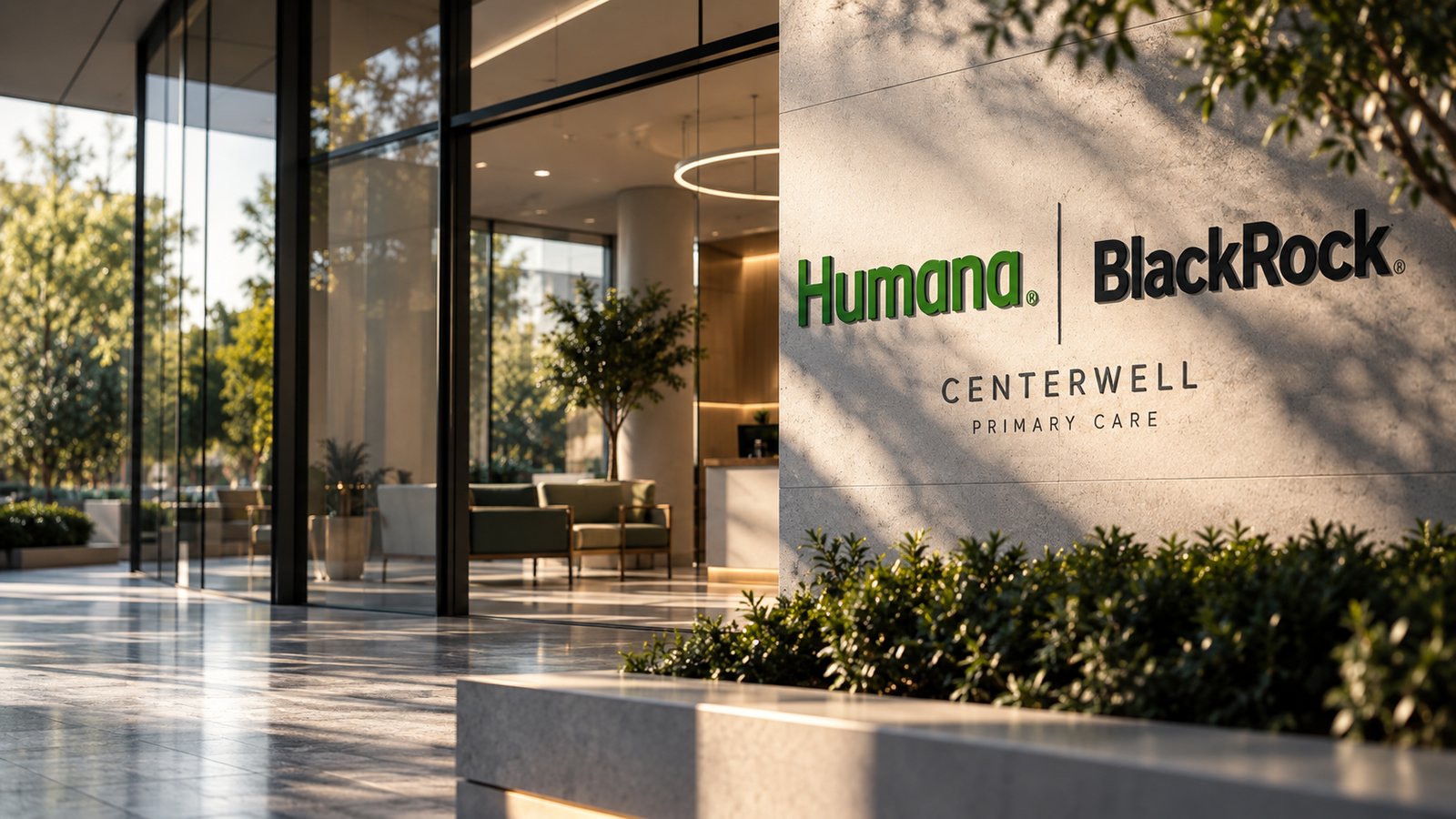
Humana, BlackRock seal $2.8 B joint venture to scale CenterWell primary-care clinics
A $2.8 B partnership will slash CenterWell’s cost of capital, fund new sites and give Humana flexible exit rights—shaping senior-care strategy through 2033.
Key takeaways
- The joint venture lowers CenterWell’s cost of capital, freeing cash for clinic expansion and acquisitions over the next two years.
- Humana retains a strategic option to repurchase clinics from the JV beginning in 2028, shaping its long-term network ownership.
- BlackRock’s exit right after 2033, with CenterWell’s first-right-of-refusal, creates a predictable timeline for ownership transitions and capital planning.
Humana’s partnership with BlackRock will inject $2.8 billion into its CenterWell senior-focused primary-care network, lowering the business’s cost of capital and unlocking growth capital for expansion. The deal replaces the existing joint venture with Welsh, Carson, Anderson & Stowe (WCAS) and places BlackRock’s HPS Investment Partners unit as the equity holder in the roughly 150-clinic portfolio.
Capital structure shift drives flexibility
Humana announced that the new joint venture will “significantly lower cost of capital,” reflecting the maturity of CenterWell’s business model. By swapping WCAS equity for BlackRock’s deeper balance-sheet resources, CenterWell can fund both operational upgrades and new clinic openings without raising expensive debt. The lower cost of capital also eases pressure on Humana’s earnings guidance; the insurer said the transaction will not affect its 2026 guidance and is set to close in Q4 2026.
Expansion agenda through 2028-2033
The partnership includes a two-year capital deployment window aimed at bolstering existing sites, opening new locations, and pursuing acquisitions. Humana retains an option, exercisable starting in 2028, to buy back clinics from the joint venture. If CenterWell has not repurchased all locations by 2033, BlackRock can exit, with CenterWell holding a right of first offer on any remaining clinics. This staged exit framework gives Humana a clear path to either retain or divest assets while providing BlackRock a defined horizon for return on investment.
Operational continuity and quality assurance
CenterWell will continue to manage day-to-day clinic operations, mitigating disruption risk for seniors. President Sanjay Shetty, M.D., emphasized that the network’s “unique model of senior-focused, value-based care” will remain intact despite the equity swap. The continuity promise is crucial for maintaining patient trust and for meeting value-based payment benchmarks that tie reimbursement to quality metrics.
Strategic implications for senior-care leaders
The joint venture illustrates how insurers can leverage private-equity partners to fund rapid network growth while preserving clinical control. For organizations contemplating similar structures, the key levers are: (1) securing a partner with sufficient capital depth to lower financing costs; (2) embedding clear buy-back options to retain strategic flexibility; and (3) establishing exit rights that align with long-term network goals.
To act, senior-care executives should (a) model the impact of reduced cost of capital on expansion ROI, (b) negotiate buy-back clauses that trigger after a defined period, and (c) embed first-right-of-refusal provisions to safeguard future acquisition opportunities.
Google’s Fitbit Edge pushes proactive AI health monitoring into mainstream wearables
Google’s $180 Fitbit Edge adds AI-driven blood-pressure and insulin-resistance tracking, forcing health systems to rethink data integration, care pathways and payer contracts.
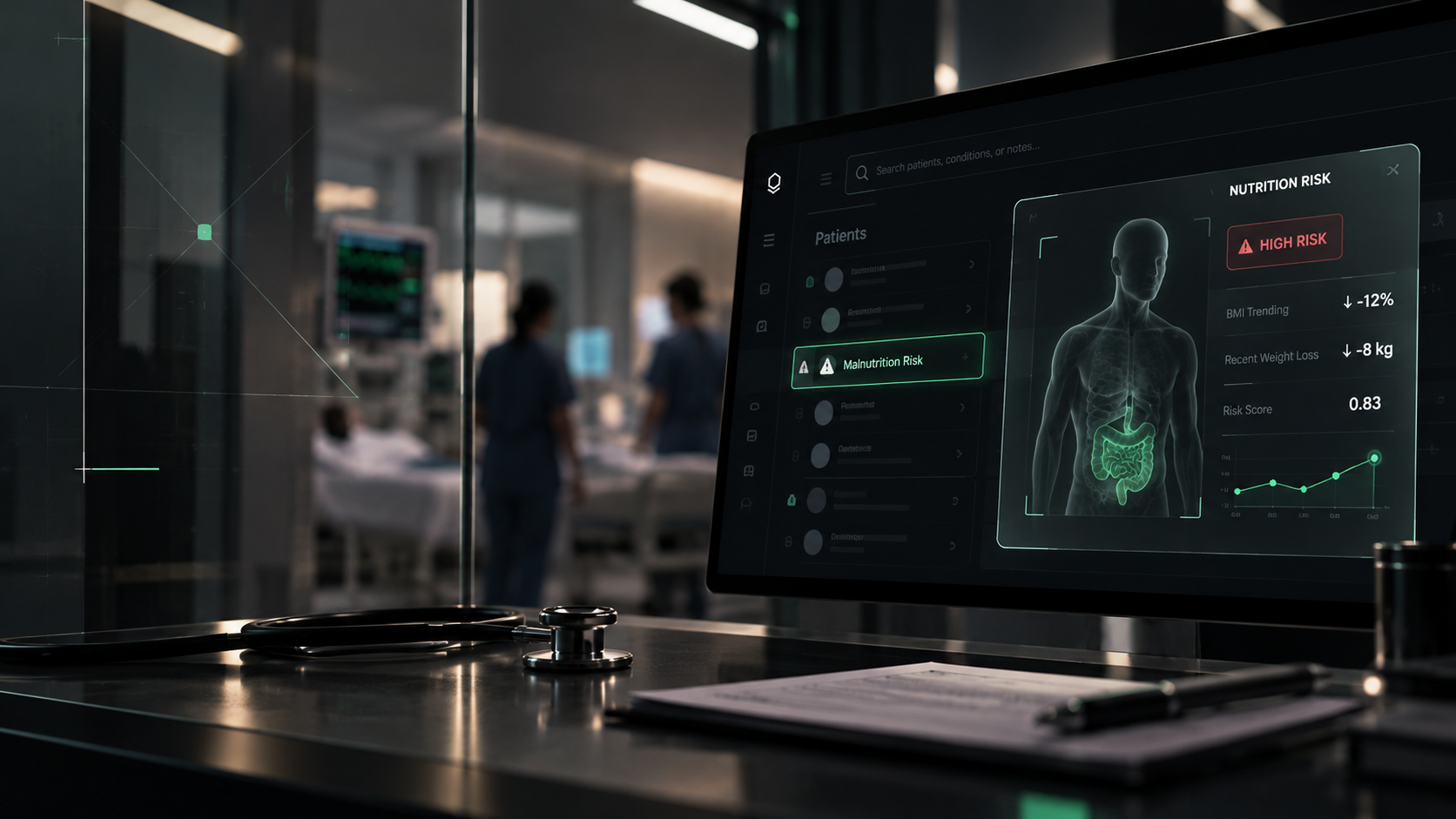
AI malnutrition detection in EHRs boosts hospital ROI 5-20×
Healthleap’s language-model platform scans EHR notes to surface undiagnosed malnutrition, cutting stays and boosting reimbursements—see the financial upside.

Amazon drops NDAs with governments, aims to quell data-center backlash
AWS chief says ending nondisclosure deals and $1 bn community spending will restore trust as moratoriums rise across the U.S.